


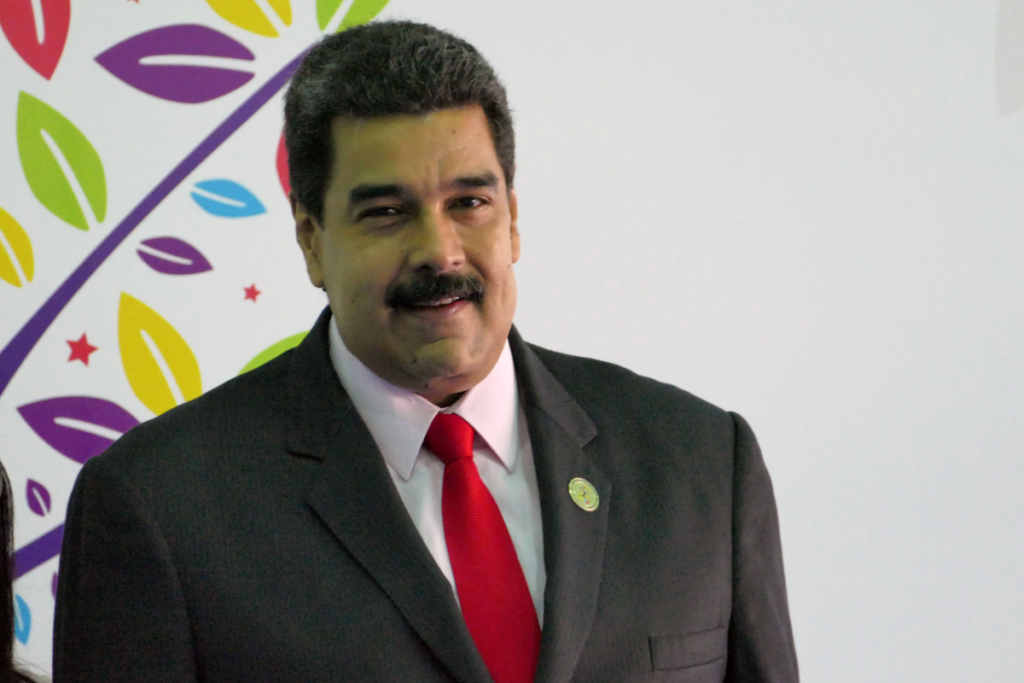
Expanded Sanctions Against Maduro’s Inner Circle
The United States has imposed a new round of sanctions aimed at increasing economic and political pressure on Venezuela’s government, targeting close relatives of President Nicolás Maduro and a network of individuals and companies accused of facilitating oil shipments. Among those sanctioned are three of Maduro’s nephews, a move that signals a renewed focus on the president’s immediate family and alleged financial links supporting the regime.
According to U.S. authorities, the sanctions are designed to block access to property and financial assets held under U.S. jurisdiction and to prohibit American individuals and businesses from engaging in transactions with those listed. Financial institutions that fail to comply risk enforcement actions or secondary sanctions. Officials describe the measures as part of a broader effort to disrupt revenue streams that sustain Venezuela’s leadership amid international isolation.
The action follows heightened U.S. scrutiny of Venezuela’s oil trade, which Washington argues has been used to fund government operations and bypass international restrictions. By targeting both individuals and shipping-related entities, the sanctions aim to restrict the movement of crude exports and complicate efforts to generate foreign currency through opaque commercial networks.
Oil Networks and Alleged Financial Facilitation
In addition to the president’s relatives, the sanctions list includes a foreign businessman accused of helping move Venezuelan oil through international channels, as well as several companies and vessels operating under the Venezuelan flag. U.S. officials allege that these entities formed part of an informal logistics and financing system designed to keep oil flowing despite sanctions already in place.
The Treasury Department stated that these networks allegedly worked in coordination with figures close to the Venezuelan leadership, creating partnerships that obscured ownership and control. By sanctioning ships and companies alongside individuals, U.S. authorities intend to make it more difficult for sanctioned actors to reconstitute operations under new names or flags.
Officials emphasized that the restrictions are not symbolic. Any assets connected to the sanctioned parties within U.S. reach are effectively frozen, and international banks that clear transactions in U.S. dollars are expected to enforce the prohibitions. This approach leverages the central role of the U.S. financial system to extend the impact beyond American borders.
Political Context and Prior Exchanges
The latest sanctions revive attention on figures who have previously been involved in high-profile legal and diplomatic episodes between Washington and Caracas. In earlier years, some of the individuals now sanctioned were convicted in U.S. courts on narcotics-related charges, later becoming part of a prisoner exchange between the two countries. Their reappearance on sanctions lists underscores the shifting strategy in U.S.–Venezuela relations, where periods of limited engagement have alternated with renewed confrontation.
U.S. officials say the current measures reflect frustration with what they describe as continued criminal activity and a lack of meaningful political reform in Venezuela. Statements from the Treasury Department frame the sanctions as a response to alleged drug trafficking, corruption, and the use of state resources for personal enrichment rather than public welfare.
The Venezuelan government has repeatedly rejected such accusations, portraying U.S. actions as politically motivated and illegitimate. Caracas has characterized sanctions and related enforcement steps as economic aggression, arguing that they worsen humanitarian conditions by restricting trade and investment. U.S. officials counter that humanitarian exemptions remain in place and that responsibility lies with Venezuela’s leadership.
Broader Strategy and Regional Implications
The sanctions come amid a wider U.S. strategy that combines economic pressure with security operations aimed at curbing illicit trafficking in the Caribbean and surrounding regions. American officials argue that disrupting oil revenues and associated networks is essential to weakening organized crime and reducing the flow of drugs into the United States.
Regionally, the measures add another layer of complexity to diplomatic efforts involving Venezuela, particularly for countries that maintain commercial ties or serve as transit points for energy shipments. Shipping firms, insurers, and port operators are likely to reassess risk exposure as enforcement expands to include vessels and logistics providers.
While it remains uncertain how much immediate financial impact the sanctions will have, analysts note that targeting family members and commercial intermediaries sends a clear political message. It signals an intent to tighten pressure not only on state institutions but also on the personal networks surrounding Venezuela’s leadership. Whether this approach leads to policy changes in Caracas or further entrenches existing positions remains an open question.
