

What a Supermoon Is and Why It Looks Bigger
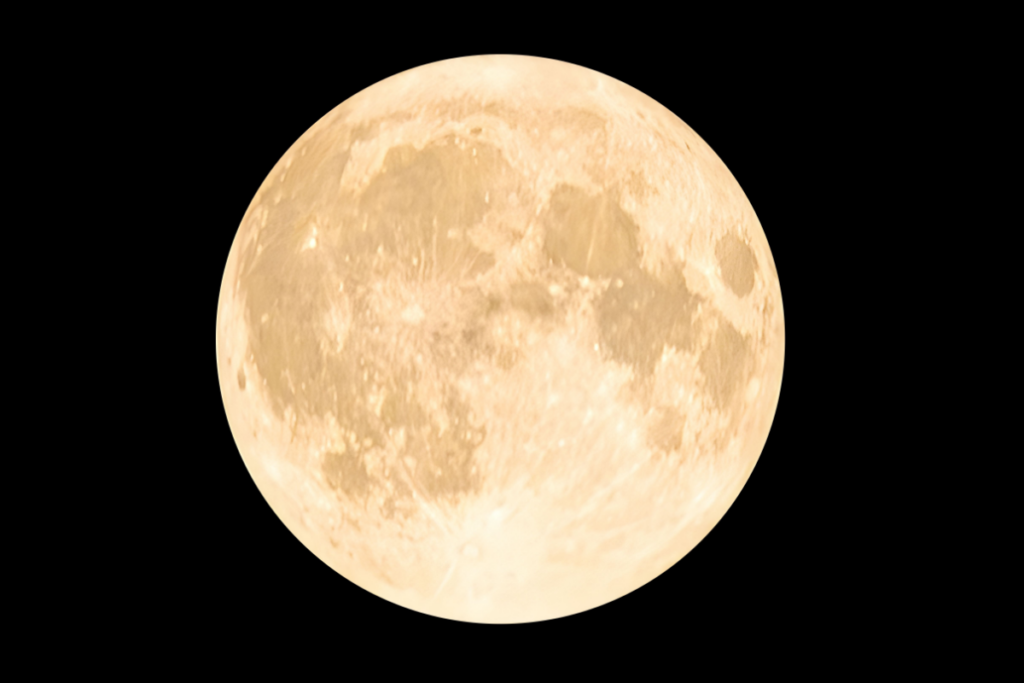
As December evenings approach, skywatchers have a celestial treat: the last supermoon of the year. The phenomenon occurs because the moon’s orbit around Earth is elliptical — at certain points it comes closer to our planet. When a full moon aligns with that near-Earth point, the result is a “supermoon”: a lunar appearance that can look up to 14% larger and 30% brighter than the faintest full moons of the year, according to NASA.
Supermoons typically arrive in clusters, and this December’s event caps off a trio of consecutive supermoons in 2025. For those hoping to catch the show, no telescope or fancy equipment is necessary. On a clear night, the supermoon can be observed easily with the naked eye — although the difference to an average full moon is often subtle and may be hard to notice for casual viewers.
What to Look For — and What to Expect
Even though a supermoon can appear significantly larger and brighter, the change can be nuanced for many observers. One factor that enhances the effect is the “moon illusion”: the tendency for the moon to look larger when it’s near the horizon. This optical trick has long fascinated skywatchers, though scientists still debate its exact cause. When combined with a supermoon’s closer proximity, the illusion becomes even more striking.
Another possible but modest effect is on Earth’s tides. Because the moon is slightly closer during a supermoon, tidal forces intensify a bit — potentially producing slightly higher tides than normal. However, experts caution that any changes will be minimal and likely go unnoticed by the casual beachgoer.
For those hoping to appreciate the supermoon in all its glory, find a dark spot away from city lights. Look for the moon as it rises above the horizon, ideally with an unobstructed view. The low-hanging supermoon paired with nearby landmarks, like trees or buildings, often creates stunning photographs and memorable skywatching moments.
Why Supermoons Matter for Skywatchers
Supermoons offer a chance to reconnect with the night sky and rediscover the rhythms of the cosmos that often feel distant in daily life. For astronomy enthusiasts, they are an opportunity to observe surface details of the moon — like craters and mare patches — under relatively bright illumination. For casual stargazers, a supermoon can simply be a beautiful moment: a glowing orb rising above the horizon, larger and warmer than any other night.
Because this December full moon closes out a series of three supermoons for the year, it represents a last opportunity to enjoy the enhanced lunar display until such alignments occur again. Whether you’re someone who watches the sky regularly or someone who just enjoys a peaceful moment under the moonlight, this supermoon offers one more chance to look up, pause, and soak in the night sky.
