


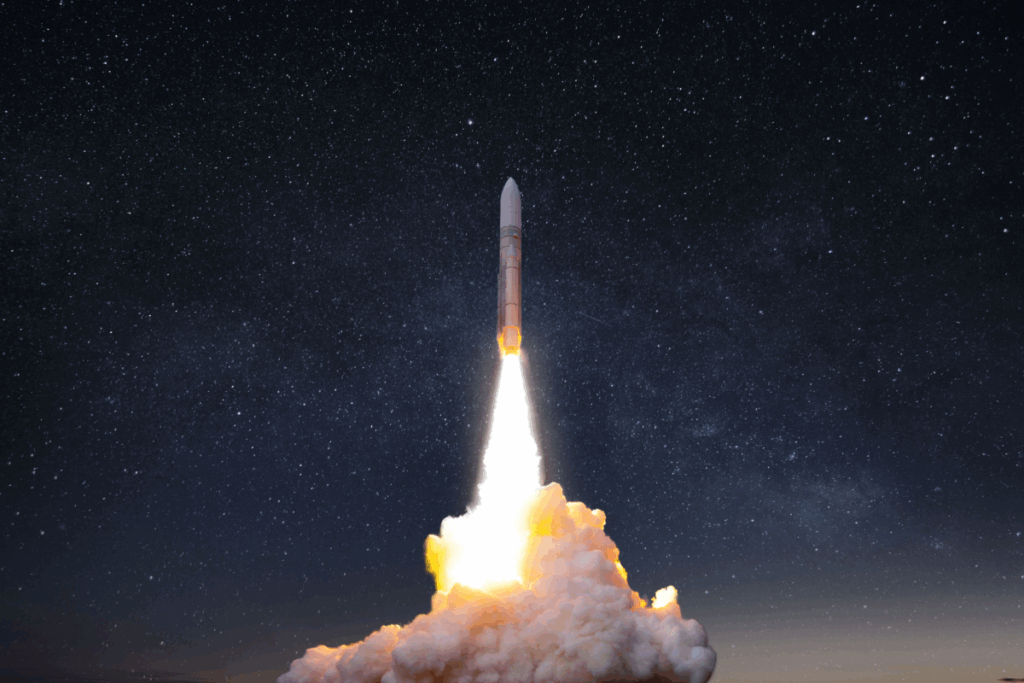
SpaceX is preparing for another nighttime launch from Vandenberg Space Force Base in Santa Barbara County. The mission is scheduled for Monday evening and will send a Falcon 9 rocket into low Earth orbit. If conditions allow, residents across California, including San Diego, could catch a glimpse of the bright trail produced by the rocket shortly after liftoff. Space enthusiasts have come to anticipate these launches, as they often illuminate the night sky and are clearly visible from long distances when weather is favorable.
The launch is part of SpaceX’s ongoing expansion of its Starlink satellite network. Starlink has grown rapidly in recent years and is marketed as a global low orbit broadband service. The company describes the network as an advanced constellation designed to improve coverage in remote and underserved areas. Monday’s launch will carry another batch of satellites and continue the steady cadence that has been essential for building the system into one of the largest commercial space networks ever deployed. The rocket will lift off from Vandenberg at approximately 9:28 p.m. Pacific Standard Time, although a four hour launch window has been scheduled to allow flexibility for technical or weather concerns.
Expansion of the Starlink Network
Starlink missions from Vandenberg have become frequent as SpaceX seeks to increase global satellite coverage. The company will deploy 27 satellites into low Earth orbit on this mission. This continues the multi year effort to build an interconnected network capable of providing high speed internet to commercial customers as well as aviation, maritime and national security users. SpaceX has positioned Starlink as a major future component of the space economy, moving beyond traditional launches to long term service based operations.
Vandenberg Space Force Base is one of the premium sites in the United States for polar orbit missions. It allows satellites to be launched along trajectories that pass over the poles, making it ideal for building a global communications network. Although the site is not open to the public for safety and security reasons, observers throughout California have often been able to view launches from major cities and coastal communities. The bright exhaust plume is especially visible shortly after sunset or during nighttime launches when the contrast against the dark sky is greatest.
Residents across Southern California and beyond frequently share images and video of the rocket as it climbs into the upper atmosphere. While visibility always depends on weather, haze and cloud cover, clear skies can enable thousands of people to witness the launch event from many miles away. The Falcon 9’s reusable booster is also expected to land after the launch, continuing the company’s model of recovering and reusing major rocket components in order to reduce the costs of spaceflight.
When and How to Watch
The launch is currently planned for Monday night. The window opens at 9:28 p.m. Pacific Standard Time and extends over several hours. SpaceX typically begins a live webcast about five minutes before liftoff. The broadcast is expected to be available on the company’s website and its official account on social media. These live streams have become a popular viewing option, as they allow audiences to follow every stage of the countdown, ignition and ascent.
Although Vandenberg is a secure military installation and access is restricted, the surrounding region frequently offers clear vantage points during nighttime launches. From San Diego to Los Angeles and coastal towns in between, people may have a chance to see the rocket streak upward if skies are clear. The launch will send the Falcon 9 toward low Earth orbit, where the payload will be released before the booster initiates its return sequence.
The mission is another example of how routine commercial spaceflight has become in recent years. SpaceX continues to lead the commercial launch market with a rapid schedule of flights that deliver satellites, cargo and crew to a wide range of orbital destinations. Each launch builds on a growing infrastructure that supports global communications, future exploration missions and the strategy of lowering the cost of access to orbit. Monday’s flight marks yet another step in the construction of a network that SpaceX hopes will play a long term role in shaping the future of internet connectivity and commercial space activity.
