


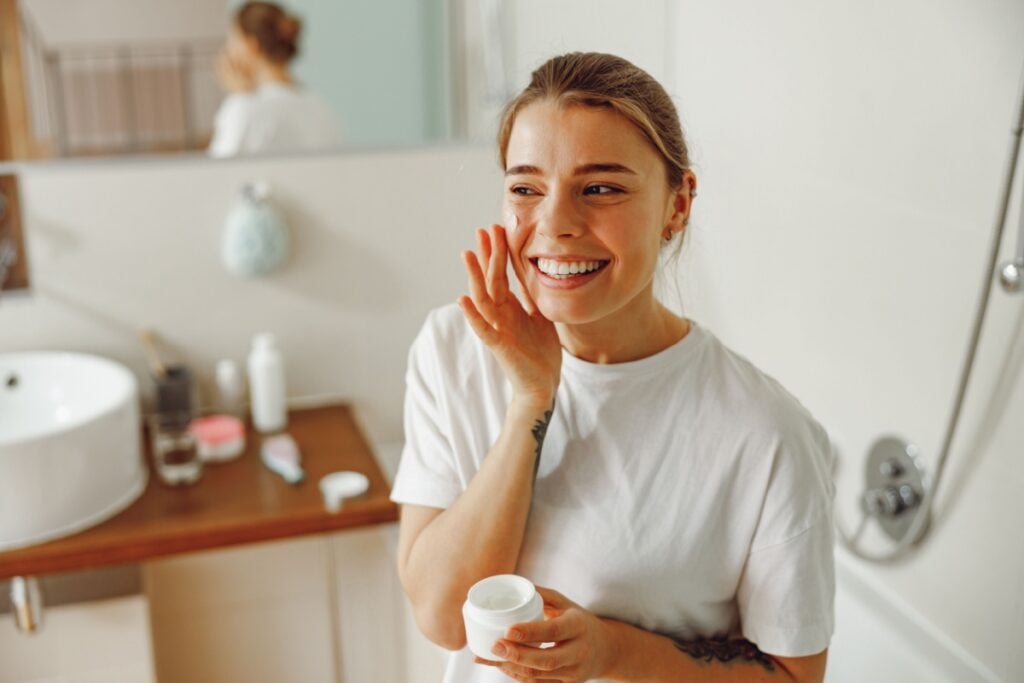
Practices that once sounded unusual are increasingly being studied by dermatologists and cosmetic scientists. Many of today’s unconventional skincare methods originate in centuries-old traditions that were passed down long before modern laboratories existed.
Historical accounts show that ancient civilizations relied on natural substances such as milk, honey, herbs, and mineral-rich materials to cleanse and soften skin. Over time, some of these remedies faded, while others were refined and incorporated into modern formulations. Researchers now revisit many of these historical techniques, examining their chemical composition and biological effects.
For example, fermented rice water, long used in parts of East Asia, has attracted renewed attention in cosmetic science. The liquid contains amino acids, antioxidants, and vitamins that may help support hydration and reinforce the skin’s protective barrier. Laboratory analysis indicates that fermentation increases the levels of beneficial compounds and produces mild acids that can gently exfoliate the skin.
The renewed interest in these traditions reflects a broader trend in cosmetic research: evaluating natural materials that were once dismissed as folklore. Rather than relying solely on synthetic ingredients, scientists are exploring whether historical practices contain measurable biological advantages.
The Rise of Unusual Biological Ingredients
Among the most discussed unconventional treatments is the use of snail mucus, also known as snail mucin. Although its use may appear unusual, laboratory research suggests that snail secretions contain vitamins, peptides, and antioxidants that may reduce inflammation and support tissue repair. Some studies have also found antimicrobial properties and potential benefits for wound healing.
Snail mucin products have become widely used in modern skincare, particularly in formulations designed to hydrate and improve elasticity. The growing popularity of these products demonstrates how substances once regarded as unconventional can become mainstream once supported by scientific evidence.
Other biological treatments have also drawn scientific attention. Procedures commonly referred to as “vampire facials,” which involve using components derived from a patient’s own blood, are based on the idea that growth factors in plasma may stimulate collagen production and accelerate tissue repair. Similar logic underlies the study of substances such as bee venom, which contains compounds associated with anti-inflammatory responses.
While these approaches vary widely in their methods and safety, they share the feature of relying on biological compounds that interact with skin cells. Researchers emphasize that careful clinical testing remains essential before such treatments can be widely recommended.
Cultural Beauty Practices Under Scientific Review
Many unconventional skincare methods originate from cultural traditions that developed over centuries. For example, historical records suggest that milk-based treatments were used in ancient societies because they contained lactic acid, a natural compound known to gently exfoliate skin. Modern analysis supports the idea that such substances can help remove dead skin cells and improve texture.
Similarly, mineral-rich sand scrubs and clay masks have long been used in coastal or desert regions. Scientists now recognize that natural minerals such as magnesium and calcium may assist in exfoliation and improve circulation when applied topically. These discoveries have encouraged cosmetic manufacturers to incorporate mineral-based materials into contemporary skincare products.
In some cases, traditions were preserved because they delivered observable results, even without a clear scientific explanation at the time. Modern dermatology has begun to identify the compounds responsible for these effects, transforming traditional remedies into standardized products that can be tested and regulated.
Balancing Innovation With Scientific Evidence
Although interest in unconventional skincare has grown rapidly, researchers caution against assuming that all unusual treatments are effective. Some practices remain popular largely due to social media influence or celebrity endorsements rather than clinical validation.
Dermatologists emphasize that results often depend on factors such as formulation quality, dosage, and individual skin type. For instance, studies on snail mucus reveal that product effectiveness varies significantly depending on how the material is collected and processed. Differences in manufacturing methods can affect the concentration of active compounds, thereby influencing overall performance.
Scientific review also highlights potential risks. Treatments involving biological materials, such as blood-derived therapies or animal-based ingredients, require strict hygiene controls to prevent infection or allergic reactions. Researchers continue to conduct controlled trials to evaluate long-term safety and effectiveness.
Despite these challenges, the continued investigation of unconventional skincare rituals reflects a broader trend in cosmetic science. Rather than dismissing unusual practices outright, scientists increasingly analyze them with modern tools to determine whether tradition and biology intersect in meaningful ways.
