


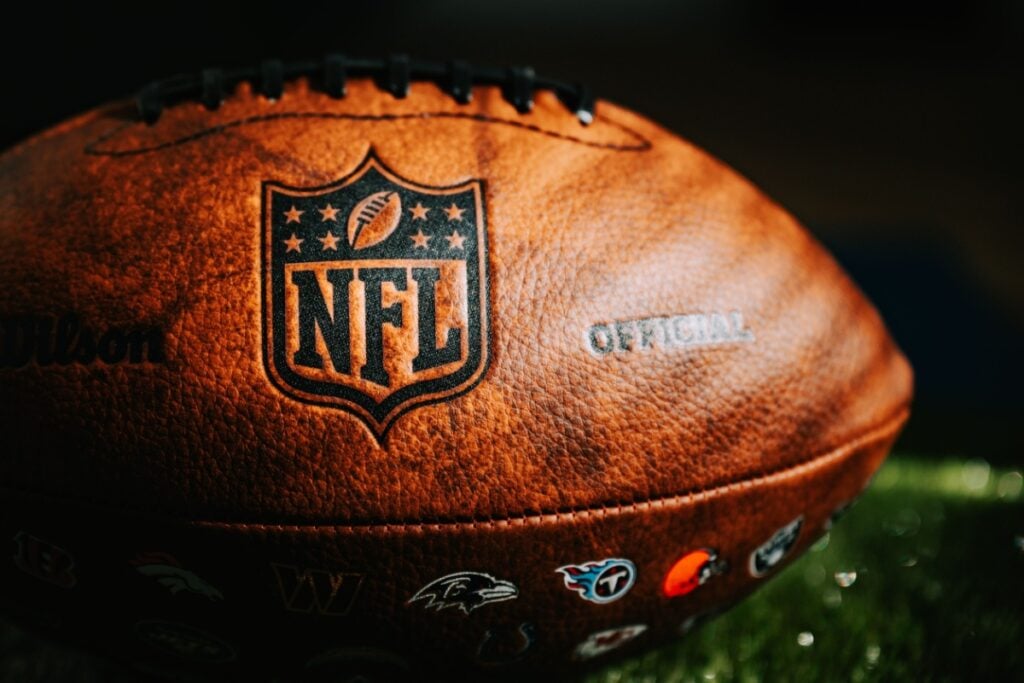
The National Football League (NFL) has entered a strategic partnership with TMRW Sports to develop a new professional flag football league, marking a significant step in the sport’s evolution and commercial expansion. The collaboration positions TMRW Sports as the operational partner responsible for launching and managing the new competition, following a competitive selection process involving multiple bidders.
TMRW Sports, founded by golf figures Tiger Woods and Rory McIlroy and media executive Mike McCarley, secured the role after emerging as the preferred candidate among roughly a dozen competing groups. League officials authorized financial backing of up to 32 million US dollars to support the development and long-term viability of the project.
The investment reflects the NFL’s growing interest in diversifying its portfolio beyond traditional tackle football. League representatives have indicated that strong market interest and investor support played a key role in advancing the project. The move also aligns with broader industry trends emphasizing innovation and new formats designed to attract younger audiences and expand global participation.
Planned Launch Linked to Olympic Debut
The development of the professional league is closely tied to the inclusion of flag football in the 2028 Summer Olympics in Los Angeles. The Olympic debut is widely viewed as a catalyst for increasing visibility and legitimacy for the sport, which has already seen rising participation at youth and amateur levels.
NFL Commissioner Roger Goodell has previously stated that the organization intends to launch both men’s and women’s professional flag football competitions within the next several years. The dual-league approach reflects a commitment to creating equitable pathways for athletes and expanding opportunities in women’s sports, a segment that has demonstrated consistent growth in recent years.
Participation statistics also indicate steady expansion. Flag football participation in the United States has increased in recent years, driven by perceptions of reduced injury risk compared with traditional football and by its growing popularity among female athletes. These trends have reinforced confidence among league officials and investors that the sport can sustain professional-level competition.
High-Profile Investors and Industry Support
The new league has attracted strong backing from investors and sports figures, reflecting confidence in the sport’s commercial potential. Reports indicate that the initiative involves prominent athletes and investors, underscoring the project’s broad appeal within the sports business community.
Industry observers note that the NFL’s financial commitment represents more than a short-term experiment. By establishing a professional infrastructure, the league aims to create a clear development pathway from youth participation to elite competition. This model mirrors strategies used successfully in other professional sports, where grassroots engagement supports long-term fan growth and talent development.
The partnership also reflects TMRW Sports’ expanding role in modern sports entertainment. The company has previously developed technology-driven sports formats, positioning itself as a specialist in emerging sports experiences that blend media, competition, and digital engagement. Such expertise is expected to influence how the new league is structured and presented to audiences.
Global Growth and Future Opportunities
The NFL’s commitment to professional flag football is part of a broader strategy to strengthen its international reach and create new opportunities for athletes worldwide. Flag football has gained traction across multiple regions, including markets outside the United States, where youth leagues and community programs continue to expand.
Officials view the sport as particularly suited to global audiences due to its simplified rules and reduced physical contact, which make it more accessible to diverse participants. This accessibility is expected to help the sport grow rapidly in regions where traditional American football has faced logistical challenges.
Preparations for the professional league remain ongoing, with additional planning focused on securing partners, developing competition formats, and establishing operational frameworks. The timeline leading up to the 2028 Olympic Games continues to shape decision-making, as stakeholders work to ensure that the sport enters the international spotlight with an established professional presence.
