


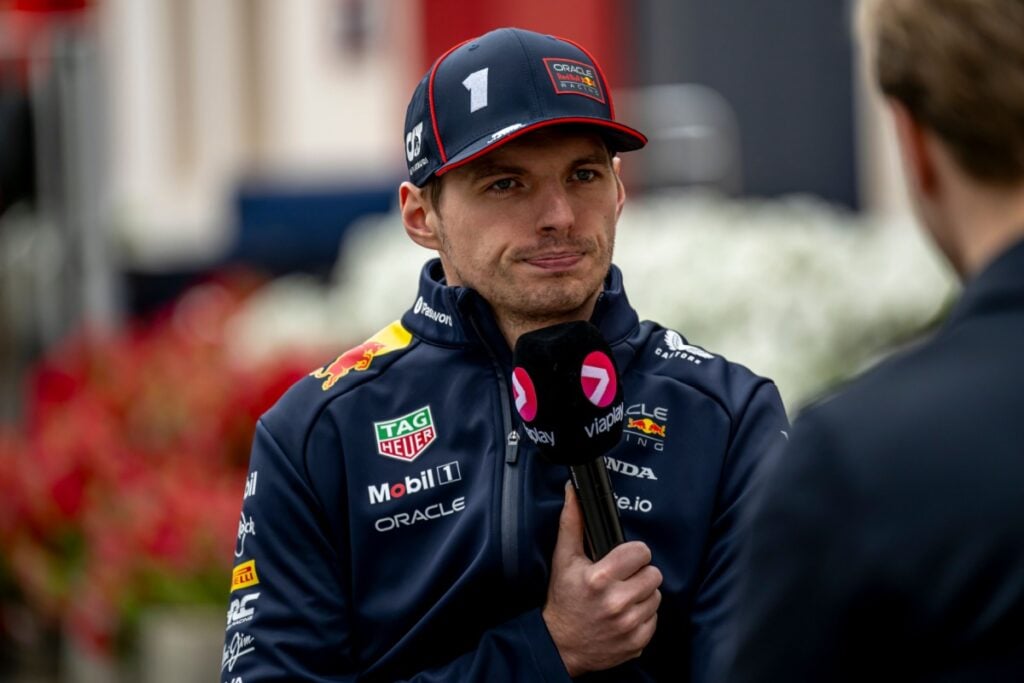
Four-time Formula 1 world champion Max Verstappen has openly questioned his long-term future in the sport following a challenging start to the 2026 season, fueling speculation about an early retirement.
The Dutch driver expressed dissatisfaction after recent races, including an eighth-place finish at the Japanese Grand Prix, where performance issues and race outcomes fell short of expectations. His comments have drawn widespread attention across the motorsport community, with analysts interpreting them as a sign of mounting frustration rather than a definitive decision to leave the sport.
Verstappen acknowledged that the demanding nature of Formula 1, combined with ongoing struggles on the track, has affected his outlook. He indicated that a lack of enjoyment has become a central concern, noting that continued participation in the championship must remain personally fulfilling to justify the intense commitment required at the highest level of motorsport.
The early phase of the season has seen Red Bull Racing fall behind some rivals in performance consistency, contributing to Verstappen’s dissatisfaction. His results, while still competitive by most standards, have not matched the dominant form that previously defined his championship-winning years.
Criticism Of New Technical Regulations
A significant source of Verstappen’s concerns relates to recent Formula 1 technical regulations, particularly those governing power units and energy distribution. The latest rules mandate a near-equal balance between electric power and traditional combustion energy, altering driving techniques and race strategies.
Verstappen has been vocal about his belief that these changes have reduced the enjoyment of driving, arguing that the increasing reliance on energy management detracts from the pure racing experience. Some drivers and commentators have echoed these concerns, suggesting that the evolving technical framework has reshaped the sport in ways that challenge long-standing driving styles.
The complexity of modern race engineering has also increased the physical and mental demands placed on drivers. According to Verstappen, maintaining focus across long race weekends and a dense calendar has added further strain, intensifying the debate about sustainability within the sport.
Industry observers note that the 2026 season schedule, originally planned with an extensive calendar, has been reduced slightly following race cancellations, yet still remains among the most demanding in Formula 1 history. These conditions have prompted broader discussions about driver workload and career longevity.
Contract Commitments And Exit Possibilities
Despite the uncertainty surrounding his future, Verstappen remains contractually tied to Red Bull Racing through 2028, making an immediate departure unlikely without specific contractual triggers. Reports suggest that certain performance-related clauses could provide flexibility under defined conditions, though the details remain confidential.
His remarks have nonetheless intensified speculation among fans and analysts. Verstappen has previously indicated that he does not intend to remain in Formula 1 into his late thirties, unlike several veteran drivers currently competing at the top level.
With more than 70 career victories and four consecutive world titles, Verstappen has already secured a prominent place among Formula 1’s most successful competitors. However, he has emphasized that personal satisfaction and balance outside racing remain key factors in any decision about continuing his career.
Team officials have attempted to reassure supporters that discussions about retirement remain speculative. Within the Red Bull organization, development efforts continue to focus on improving car performance in upcoming races, with technical upgrades expected later in the season.
Wider Implications For Formula 1
Verstappen’s comments have sparked broader debate about the direction of Formula 1 and the balance between technological innovation and driver engagement. As one of the sport’s most recognizable figures, his potential departure would carry significant implications for competitive dynamics and global fan interest.
Motorsport analysts point out that Formula 1 has historically adapted to evolving technical demands, yet maintaining driver enthusiasm remains essential to preserving the sport’s appeal. The introduction of hybrid technologies and energy-focused regulations reflects wider environmental goals, but has also shifted the nature of competition on the track.
Looking ahead, the upcoming races, including a scheduled return to competition following a short break, may play a decisive role in shaping Verstappen’s outlook. Observers expect the period before the Miami Grand Prix to provide time for reflection, both for the driver and for the team’s engineering staff working to address performance challenges.
While retirement talk has not yet translated into concrete action, Verstappen’s candid remarks have underscored the pressures elite athletes face at the highest level of global motorsport, reinforcing ongoing discussions about the future evolution of Formula 1.
