


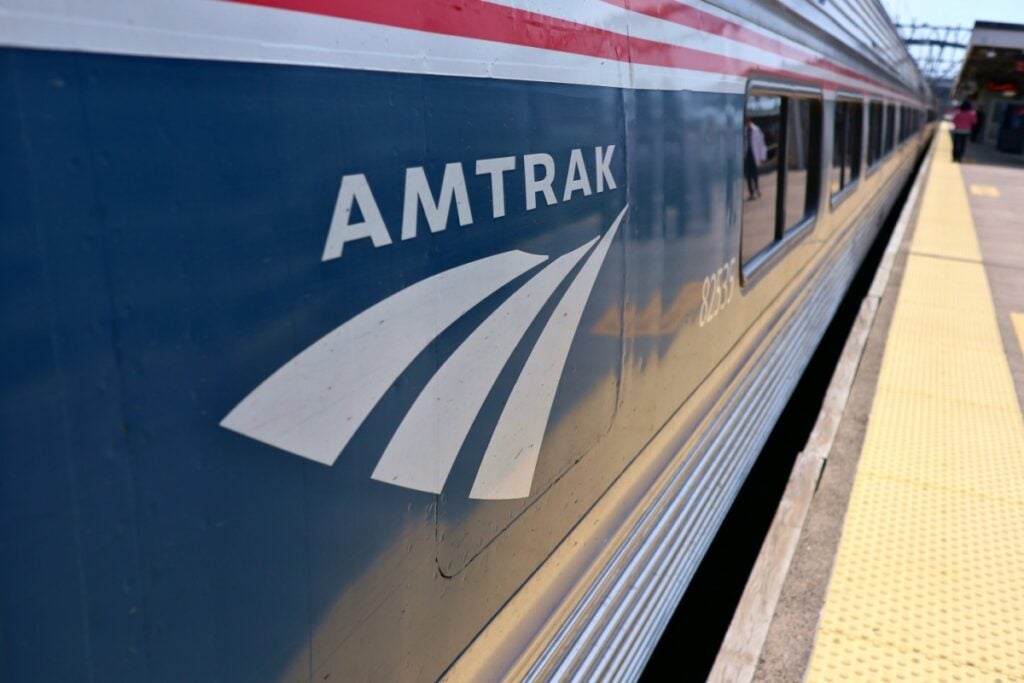
Amtrak is preparing to introduce a new generation of corridor trainsets branded Amtrak Airo, a fleet designed to modernize onboard comfort while improving operating efficiency on some of the system’s busiest routes. The trainsets are intended to refresh the passenger experience on services that, in many cases, still rely on equipment dating back decades, particularly in the Northeast and other short-to-medium distance corridors.
The company has framed Airo as a centerpiece of a broader modernization push that also includes its newer high-speed equipment. In an update on the program, Amtrak said the introduction of Airo follows the rollout of NextGen Acela, which entered service on the Northeast Corridor in August 2025 and carried more than 60,000 customers in its first month, positioning the two fleets as complementary steps in an overhaul of the corridor product.
Where The First Airo Trainsets Will Run
Amtrak says the first Airo trainsets are slated to enter service on Amtrak Cascades, the Pacific Northwest corridor linking Seattle, Portland, Vancouver, and Eugene. The carrier expects all eight Cascades trainsets to be completed in 2026, setting up the route as the public debut of the new design and onboard layout.
A second major milestone is expected to follow in the East. Amtrak says 2026 will also mark a key point for the Northeast Corridor, with the first Airo trainsets intended for Northeast Regional completing production and moving into testing. Amtrak has said revenue service is expected to begin in 2027 for that route, a timeline that reflects the added steps required for qualification, testing, and integration into the busiest passenger rail corridor in the country.
Beyond the initial rollouts, Amtrak’s public materials list a wide range of routes for Airo deployments, including Empire Service, Keystone Service, Downeaster, Virginia Services, Carolinian, Pennsylvanian, Vermonter, Adirondack, Maple Leaf, and New Haven/Springfield Service, among others.
What Passengers Can Expect Onboard
Amtrak is pitching Airo as a noticeable redesign rather than a minor refurbishment. Company descriptions highlight modern, more ergonomic seating with more legroom, larger and sturdier tray tables, movable headrests, and built-in conveniences such as a cup holder and a seatback tablet holder. The trainsets are also expected to include individual power outlets, USB ports, onboard Wi-Fi, upgraded lighting, and digital passenger information systems, aiming to make the cabins feel closer to contemporary air travel or premium coach interiors than legacy rail equipment.
Food service is another area targeted for change. Amtrak’s Airo materials describe a redesigned café car with a more contemporary setup and self-service options, along with clearer wayfinding and a color-coded signage approach to help passengers identify spaces and services more easily. For customers choosing premium seating, Amtrak has said Business Class will offer a mix of single and double seats, giving travelers more flexibility depending on whether they want privacy or to sit together.
Accessibility and day-to-day usability are also emphasized through design choices such as spacious restrooms and touchless restroom controls, reflecting a broader industry trend toward reducing high-touch surfaces and improving ease of movement through corridors and common areas.
Speed, Power, And The Scale Of The Procurement
Airo is also meant to change how some corridor trains operate. Amtrak says the trainsets will be capable of speeds up to 125 mph and are designed for near-seamless transitions between power sources on certain routes, an operational change intended to reduce delays that previously required locomotive swaps or other time-consuming procedures. On the environmental side, Amtrak has said the new trains are more fuel efficient and produce 90% less particulate emissions during diesel operations.
The procurement is being carried out in partnership with Siemens Mobility, and Amtrak has said the trainsets are being manufactured in California, with funding support tied in part to the Infrastructure Investment and Jobs Act. In earlier program statements, Amtrak and federal officials described the purchase as part of a major fleet investment supported by federal rail funding, with the Federal Railroad Administration pointing to multi-billion-dollar annual support for rail improvements.
Amtrak’s latest program update says 83 Airo trainsets are planned for deployment across routes nationwide in the coming years, describing the fleet as a backbone for expanding capacity, improving reliability, and standardizing a modern onboard experience across corridors that collectively serve a large share of U.S. intercity passengers.
