


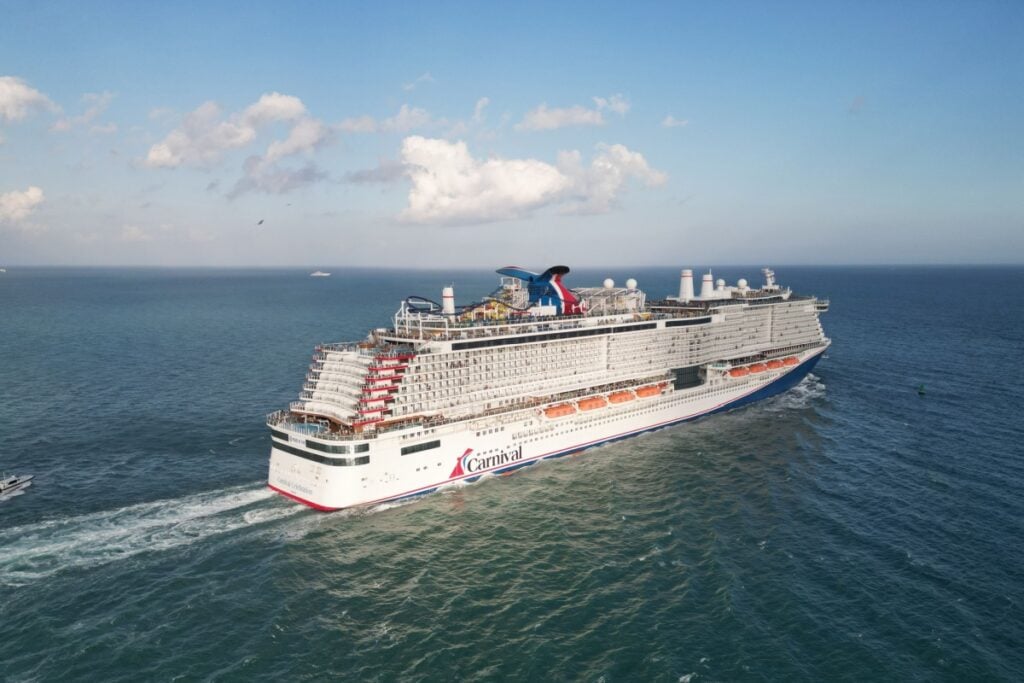
Passengers sailing on Carnival Horizon faced hours of delays at PortMiami after a computer disruption affected cruise operations ahead of the ship’s scheduled departure, according to local reporting. The technical failure began on Sunday and slowed the ship’s debarkation process, requiring staff to switch to manual procedures to process guests leaving the vessel.
Several travelers described being told there was a “system error,” with some saying both systems and internet connectivity were down, extending the time it took to disembark. The slowdown affected both guests trying to head home and those arriving for the next sailing, creating a bottleneck at the terminal as the turnover process dragged on.
Long Lines, Heat, Missed Flights, and Port Traffic
As delays compounded, passengers waiting to begin their trip grew increasingly frustrated. Some said the disruption contributed to missed travel connections, including flights, while others described long waits outside as check-in times were repeatedly pushed back. One guest said their scheduled check-in window of 12:00–12:30 was shifted to 2:00–2:30.
The congestion was not limited to terminal lines. Travelers also described gridlocked access routes around the port area, with one passenger calling the situation a “huge inconvenience” and saying it took over 1 hour and 15 minutes to travel roughly three miles. The delays played out under typical South Florida conditions, with guests waiting in outdoor areas as the day warmed.
The sailing itinerary discussed by passengers included stops in Jamaica, Cozumel, and Grand Cayman, adding pressure for travelers eager to board and begin their vacation.
Wider Carnival Technology Issues Reported Across Ships
While the PortMiami disruption centered on Carnival’s terminal operations, other reports on Carnival Cruise Line described broader technology problems affecting multiple ships and ports around the same period. Cruise-focused outlets reported that technology issues caused embarkation delays for several vessels on Monday, February 9, 2026, with guests receiving notifications instructing them to arrive later than their original terminal appointment times.
One report described messages to guests stating that check-in times were being pushed back by roughly two hours, alongside a goal to have all passengers onboard by 4:30 p.m. to keep departures on track. Another outlet reported weekend-to-Monday disruptions spanning both port operations and onboard services across multiple ships, including challenges with app functionality and shipboard systems used for guest activities and purchases.
These accounts suggest the PortMiami delays occurred within a wider context of operational strain tied to technology reliability, an increasingly central component of cruise logistics, from debarkation sequencing to check-in verification and onboard account systems.
Company Response and Operational Questions
As of Monday morning, local reporting said the cruise line had not publicly confirmed the specific IT issue that triggered the PortMiami disruption. At the port level, the incident highlighted how quickly a technical failure can cascade into passenger-facing delays, especially during ship turnaround windows that depend on tightly coordinated debarkation, cleaning, provisioning, and staged boarding.
Recent disruptions elsewhere in the industry have shown similar dynamics: when core systems go offline, operators may revert to manual processing, but throughput can drop sharply, creating knock-on effects for ground transportation, terminal crowding, and travelers’ onward plans. In late 2025, for example, a separate Carnival incident reported by a major outlet involved an IT problem that delayed a ship’s departure and disrupted onboard services, underscoring how technology failures can affect both port operations and the onboard experience.
For travelers, the practical impact is immediate: longer waits, shifting arrival windows, and uncertainty about when boarding will resume at normal pace. For cruise operators and ports, episodes like this put a spotlight on contingency planning, how quickly systems can be restored, how effectively updates are communicated, and how crowd management is handled when delays stretch into peak embarkation hours.
