


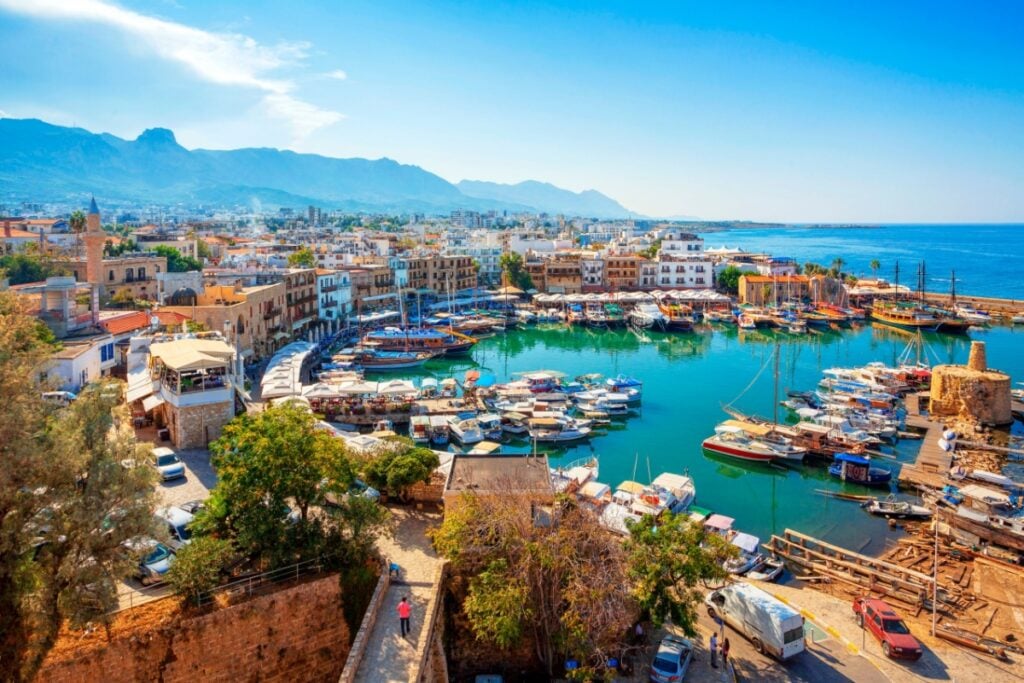
Cyprus, a Mediterranean island known for its beaches and historic sites, has recently drawn attention in international travel discussions due to rising geopolitical tensions in the surrounding region. Although the country itself remains a popular tourist destination, developments linked to the ongoing conflict in the Middle East have prompted new safety considerations for travelers.
In early March 2026, a suspected drone strike hit the British Royal Air Force base at Akrotiri on Cyprus’s southern coast. The incident caused limited damage and no reported injuries, but it highlighted the island’s strategic role in regional security dynamics. The base, one of two sovereign British military installations on the island, is frequently used for operations connected to the Middle East.
The strike occurred amid escalating hostilities involving Iran, Israel, and the United States. Analysts say the island’s proximity to conflict zones and the presence of foreign military infrastructure have increased its visibility within broader regional tensions.
For travelers, these events have prompted questions about whether the island’s tourism sector could be affected. While authorities have stressed that Cyprus itself is not involved in combat operations, the incident underscored how global geopolitical shifts can influence perceptions of safety in nearby destinations.
Travel Advisories & Government Warnings
In response to the evolving security environment, several governments have updated travel advisories regarding Cyprus. The United States recently issued a Level 3 advisory urging citizens to reconsider travel to the island because of the “threat of armed conflict” and the possibility of limited embassy assistance in certain areas.
Other countries have adopted slightly less restrictive guidance but still advise caution. For example, British authorities warn travelers of a “heightened risk of regional tension” that could lead to disruptions or unexpected developments affecting travel plans.
Security experts emphasize that such advisories often reflect broader regional conditions rather than immediate threats to visitors on the island. Cyprus itself generally maintains a stable security environment and continues to host millions of international tourists each year.
However, authorities also remind visitors that the island remains politically divided between the internationally recognized Republic of Cyprus in the south and the Turkish-controlled north. A United Nations buffer zone runs through the capital, Nicosia, and travelers must use designated crossing points when moving between the two areas.
These longstanding political arrangements are separate from the current regional tensions but form part of the overall security context that travelers should understand before visiting.
Flights And Tourism Infrastructure Continue Operating
Despite the heightened attention on safety issues, Cyprus’s tourism infrastructure has largely remained operational. Major airports at Larnaca and Paphos continue to function, and hotels and resorts across the island are open to visitors.
Nonetheless, travel disruptions have occurred in recent days. Several airlines temporarily canceled flights to Cyprus following the drone strike and rising tensions in the region. Airlines, including British Airways, easyJet, and TUI, halted some services while monitoring the security situation and reviewing operational risks.
Travel industry analysts note that such cancellations are often precautionary and may be short-lived. Airspace closures elsewhere in the Middle East have also affected global aviation routes, leading to broader disruptions that extend beyond Cyprus itself.
For tourists currently on the island, local authorities have advised remaining informed through official government announcements and airline communications. Travel insurance providers have likewise encouraged passengers to check policy coverage in case of itinerary changes or cancellations.
At the same time, tourism officials in Cyprus have emphasized that daily life across the island continues normally. Resorts, cultural sites, and transportation networks remain open, and local authorities have not issued restrictions on tourist activities.
