


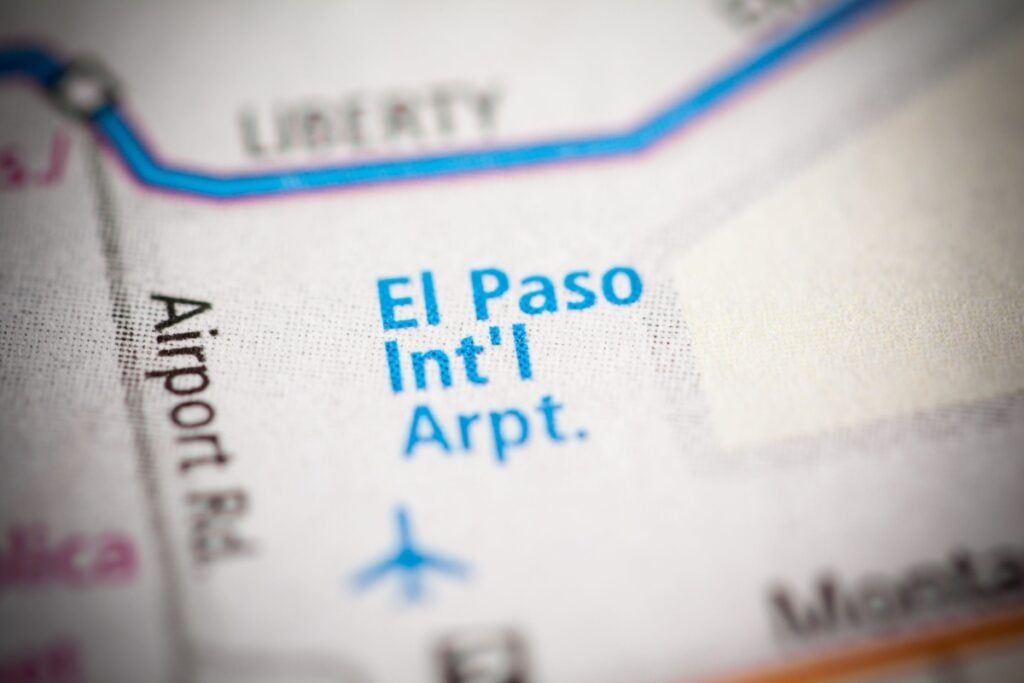
The Federal Aviation Administration briefly halted civilian flights around El Paso International Airport after announcing a rare, sweeping restriction expected to last 10 days. The agency said the airspace shutdown was ordered for “special security reasons”, and travelers were told to expect disruptions as flights to and from the airport stopped. Within hours, however, the FAA reversed course and said the temporary closure had been lifted, adding that there was no threat to commercial aviation and that normal operations would resume.
The abrupt change left airlines, airport staff, and passengers trying to interpret shifting guidance on Wednesday morning, February 11, 2026. Local officials also sought clarity on what prompted the initial shutdown and why it was lifted so quickly, as the restriction had been framed as significant enough to stop passenger, cargo, and general aviation movements in the region.
Scope Of The Temporary Restriction
The FAA’s order took the form of a temporary flight restriction, affecting a 10-nautical-mile radius around the airport and extending up to 18,000 feet, a footprint large enough to disrupt routine commercial schedules and non-airline operations. Reports said the notice designated the area as national defense airspace, an unusually strict status that underscored the seriousness of the initial announcement.
The initial window described in coverage ran from February 11 to February 21, suggesting a full 10-day suspension of civil aviation activity in the affected zone. Even though the FAA later reopened the airspace, early communications fueled confusion because a multi-day closure would have had cascading effects, including stranding incoming passengers, disrupting outbound travel, and complicating aircraft positioning for carriers serving the airport.
Political And Local Reaction Focuses On Notice And Transparency
Local leaders criticized the lack of warning before the restriction. Veronica Escobar, whose district includes El Paso, said there was no advance notice to her office or local authorities, arguing that the lack of communication amplified public anxiety and operational disruption.
The incident also drew attention because broad, airport-centered restrictions of this type are uncommon in routine civil aviation management. Even brief ground stops can ripple through flight networks, especially at airports that connect multiple carriers and regional routes. While service resumed, questions remained about the threshold that triggered the national-defense designation and about the coordination between aviation authorities and other federal agencies before the order was issued and then rescinded.
Explanations Center On Border Security And Military Activity
Public details were limited, but reporting pointed to security and defense-related factors. One account cited a source describing the closure as tied to activity involving Fort Bliss, including the operation of unmanned systems and related countermeasures, and said the FAA acted after the Department of Defense could not guarantee civilian flight safety during the relevant period.
Other coverage linked the abrupt restriction to heightened border-security concerns, including the use of drones by drug cartels operating along the US-Mexico border, amid broader federal efforts to strengthen counter-drone capabilities. The FAA’s reopening statement emphasized that commercial aviation was not under threat, but the rapid sequence, announcing a long shutdown, then lifting it within hours, kept attention on how airspace security decisions are made and communicated in sensitive regions.
