


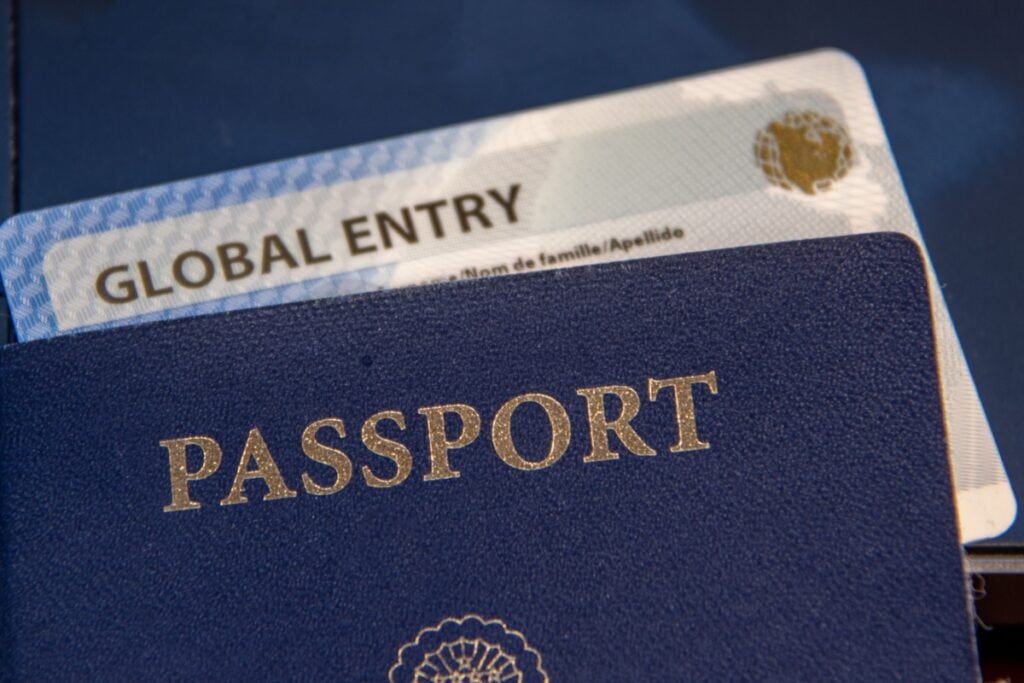
The United States government has restored the Global Entry trusted traveler program following a suspension that lasted more than two weeks during a partial shutdown of the Department of Homeland Security (DHS). The expedited customs system officially resumed operations nationwide at 5 a.m. Eastern Time on March 11, offering relief to international travelers and airport operators who had faced mounting delays.
Global Entry allows pre-approved travelers to pass through U.S. customs using automated kiosks or facial recognition technology, significantly reducing processing times upon arrival. Participants must undergo background checks and interviews before being admitted into the program.
The service had been suspended on February 22 after DHS funding expired amid a broader federal budget dispute tied to immigration policy and agency spending. During the funding lapse, officials redirected personnel to general customs operations to manage traveler flows at airports and border checkpoints.
Industry groups had warned that the suspension would strain airport operations, particularly during the spring travel season when passenger volumes typically increase. With millions of travelers moving through U.S. airports each week, the absence of expedited processing added pressure to already-stretched border and security staff.
Shutdown Fallout Disrupts Travel Operations
The DHS funding standoff has had broad operational consequences for the U.S. travel system. The shutdown began in mid-February after lawmakers failed to reach agreement on funding legislation for the department, triggering a partial closure that affected several security-related services.
Although many frontline security functions remained operational, the funding lapse forced federal agencies to reassign staff and postpone some services. Transportation Security Administration (TSA) officers and other essential employees continued working but faced delayed or incomplete paychecks as the shutdown continued.
Airport operators reported long security and customs lines due to staffing shortages affecting passenger processing. In some locations, travelers experienced wait times of 2 to 3 hours during peak periods. The suspension of Global Entry compounded those delays by eliminating a key tool for quickly moving low-risk travelers through border control.
The travel industry, including airlines and airport associations, urged federal authorities to reinstate the program as quickly as possible. They argued that trusted traveler programs improve both efficiency and security because participants undergo extensive background checks before being granted expedited access.
Industry Pressure and Policy Debate
Travel organizations welcomed the reopening of Global Entry but emphasized that broader operational challenges remain unresolved. According to industry representatives, the program’s restoration will help alleviate congestion but will not fully address staffing shortages and the ongoing financial uncertainty affecting airport security operations.
Leaders in the travel sector noted that Global Entry has become an essential part of international passenger processing in the United States. More than 13 million travelers are enrolled in the program, which operates at dozens of U.S. airports and several overseas pre-clearance facilities.
Officials also highlighted that trusted traveler initiatives can reduce pressure on border personnel. Data cited by policymakers indicated that Global Entry saved hundreds of thousands of inspection hours in recent years by allowing low-risk passengers to clear customs independently.
The program’s suspension, therefore, sparked criticism from lawmakers and industry groups, some of whom argued that shutting it down during a busy travel period increased costs and operational strain across the aviation system.
Continuing Uncertainty for Travel Infrastructure
Despite the resumption of Global Entry, the underlying funding dispute affecting the Department of Homeland Security has not yet been fully resolved. Negotiations between congressional leaders and the administration over immigration policy and agency funding remain ongoing, leaving key security agencies operating under financial constraints.
As the spring travel season intensifies, airlines expect tens of millions of passengers to pass through U.S. airports in the coming weeks. Even with Global Entry kiosks operating again, analysts say that airport wait times could remain elevated due to staffing shortages and operational disruptions tied to the continuing shutdown.
Travel industry executives have called on policymakers to reach a longer-term funding agreement to stabilize airport operations and ensure that critical programs supporting aviation security and border management remain fully functional.
