


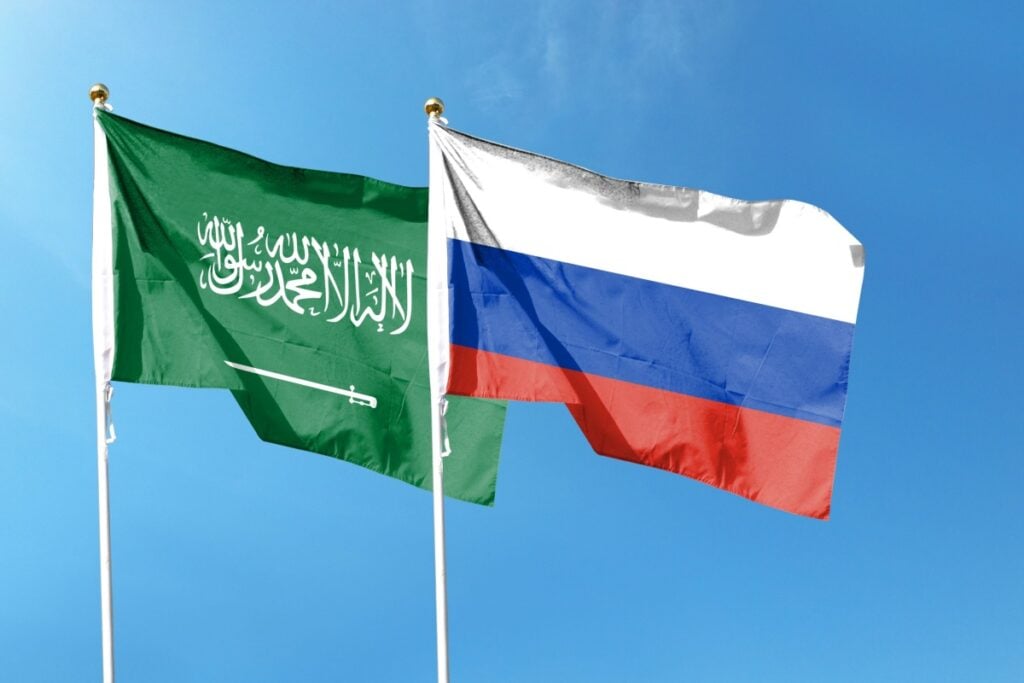
Russia and Saudi Arabia have signed a bilateral agreement to introduce a visa-free travel regime for citizens of both countries, allowing stays of up to 90 days for tourism and business purposes. The deal was announced on 1 December 2025 after officials from the two governments confirmed that the accord had been signed and would take effect once domestic legal procedures are completed.
Under the agreement, holders of diplomatic, official and ordinary passports will be able to enter the partner country without a visa for short-term visits, according to statements released by Saudi and Russian authorities. While the new regime is intended to facilitate travel for tourism, business trips and family visits, longer stays for work, study or religious pilgrimages will continue to require specific visas issued under existing rules, including separate procedures for Hajj and Umrah pilgrims.
Russian Deputy Prime Minister Alexander Novak, who led the Russian delegation to Riyadh, said the accord is expected to come into force in the early months of 2026, once the exchange of diplomatic notes and other formalities has been completed. He described the arrangement as a practical step that will make it easier for citizens of both nations to visit each other and participate in economic and cultural exchanges.
Forum In Riyadh Underscores Strategic Ties
The signing took place on the sidelines of the Saudi-Russian Investment and Business Forum in Riyadh, where government officials and corporate executives met to discuss trade, energy and investment cooperation. The gathering underlined how Saudi Arabia has become an important venue for engagement with Russia, particularly since Western sanctions have limited Moscow’s access to European and North American markets following the invasion of Ukraine in 2022.
In recent years, the two countries have coordinated closely within the OPEC+ alliance on oil production policy, seeking to manage supply and stabilise prices in global energy markets. Saudi officials have indicated that deeper economic links with Moscow, including investment flows and joint ventures, are intended to complement rather than replace the kingdom’s long-standing relationships with Western partners.
For Russia, the forum in Riyadh forms part of a broader effort to strengthen ties with partners in the Gulf and Asia, as it looks for new markets and sources of capital to offset the impact of sanctions. The visa-free deal with Saudi Arabia follows an expanding series of similar steps, including a decree signed on 1 December 2025 granting many categories of Chinese citizens visa-free entry to Russia for up to 30 days as part of a reciprocal arrangement with China.
Aviation Links And Economic Cooperation Plans
Alongside the visa accord, Alexander Novak said the two governments intend to expand direct air links by increasing the number of airlines operating non-stop flights between Russian and Saudi cities. Officials argue that more routes and higher frequencies will be needed to accommodate an expected rise in tourist numbers, religious travel outside the main Hajj season and visits connected to trade and investment projects.
Easier entry procedures are also expected to support Russian business delegations, including companies in energy, construction, technology and agriculture, which are looking for partners in the Gulf region. Saudi enterprises, in turn, are examining opportunities in Russian infrastructure and industrial projects, particularly in areas that can supply materials or services needed for the kingdom’s large-scale development initiatives under Vision 2030.
Tourism agencies in both countries have indicated that they see potential for growth in leisure travel once visa requirements are relaxed. Saudi Arabia has been promoting new cultural, heritage and entertainment destinations as part of its economic diversification strategy, while Russia continues to market its historical cities and natural landscapes to international visitors.
Part Of Broader Shift In Visa Policies
The mutual visa waiver marks a notable development in Saudi Arabia’s visa policy, which has traditionally been restrictive but has gradually opened up in recent years through the introduction of e-visas and expanded visa-on-arrival schemes. The kingdom has also signed a growing number of reciprocal agreements, helping Saudi passport holders gain easier entry to more destinations around the world. As of mid-2025, Saudi citizens enjoyed visa-free or visa-on-arrival access to around 90 countries and territories, according to international passport ranking data.
For Russia, the agreement fits into a wider overhaul of travel regulations, including the roll-out of an Electronic Travel Authorisation (ETA) system for visitors from visa-exempt states and the expansion of a unified e-visa that can be used across the country. Russian authorities present these measures as a way to encourage tourism and business travel while maintaining security screening through digital platforms and pre-departure checks.
