


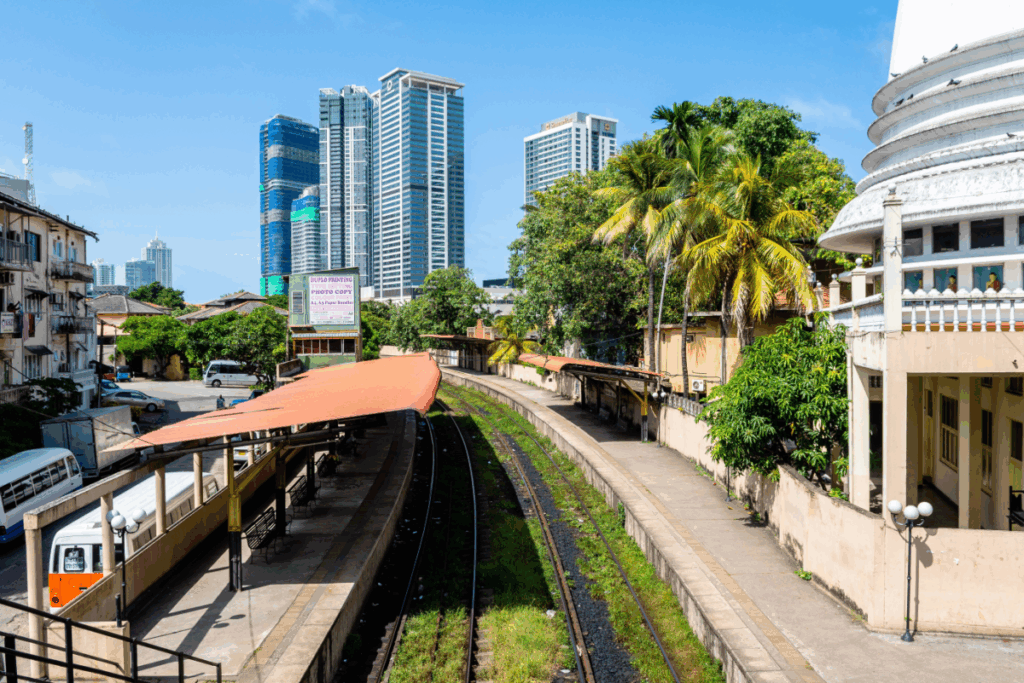
Rising Floods Across South and South East Asia
Large parts of South and South East Asia are dealing with severe flooding that has caused widespread casualties and displacement. Recent storms have brought extraordinary rainfall to Indonesia, Thailand and Sri Lanka, overwhelming infrastructure and isolating entire communities. Indonesia was one of the first countries to feel the full impact when provinces such as North Sumatra received close to a meter of rain in just a few days. Local authorities have struggled to reach residents in rural areas where landslides and washed out roads have cut off access.
Thailand has reported widespread damage as floodwaters covered urban centers and agricultural land. The region has also seen thousands of homes damaged or destroyed. Cyclone Senyar contributed to the heavy rainfall pattern, creating persistent storm conditions that intensified over several days. As emergency crews continue rescue and recovery operations, the concern is shifting to longer term consequences. Communities in the south of the country are likely to face water contamination, crop loss and prolonged shortages of essential supplies.
Sri Lanka is dealing with similar challenges. Cyclone Ditwah brought heavy rainfall that produced flash floods and landslides across the island. Casualty figures are still evolving as rescue workers reach isolated areas. Hundreds of people are still missing and rivers remain above safe levels as more rain is forecast. Disaster management authorities have warned that additional landslides are possible and evacuation zones remain active. The combination of saturated soil and incoming storms creates a dangerous environment for both responders and residents.
A Regional Pattern of Extreme Climate Events
The storms affecting Indonesia, Thailand and Sri Lanka have emerged from a rare cluster of tropical cyclones. These storms formed and strengthened across the Indian Ocean and then converged toward the same general region. Meteorologists note that overlapping systems can amplify rainfall and wind when they occur close together. This pattern has resulted in more than one thousand reported deaths across South and South East Asia and the toll is expected to rise. Millions have been affected as housing, transportation and communication systems struggle to cope.
Other countries are confronting weather problems of a different kind. Iran is experiencing a prolonged drought that has lasted several years. Water shortages have affected agriculture, industry and public utilities. Reservoir levels have dropped low enough to halt energy production at the Karkheh hydroelectric plant. Major cities are facing reduced water pressure and local officials are planning further restrictions. The lack of rainfall has created widespread concerns about crop yields, food prices and the long term reliability of water storage and supply infrastructure.
Unusual Early Winter Conditions in the United States
While much of Asia struggles with floods and drought, winter has arrived early and aggressively in the United States. Snowstorms have covered major parts of the Midwest and Northeast, bringing travel challenges during one of the busiest weeks of the year. Michigan may see snowfall totals of around a foot in certain areas. Temperatures are significantly lower than seasonal averages in many regions. Weather analysts are tracking a developing pattern known as lake effect snowfall, which occurs when cold air crosses warmer lake water and produces concentrated bands of heavy snow.
These storms have already disrupted Thanksgiving travel and may continue to complicate road and air transport in the days ahead. States along the Great Lakes are accustomed to snowfall, but the intensity and speed of the recent shift in temperature has surprised many residents. Local emergency agencies have urged caution and preparation for possible outages and reduced visibility. Communities across Ohio, New York, Illinois and Michigan are preparing for additional snow systems during the week.
Broad Impacts and Growing Concerns
The widespread extreme weather underscores the challenges facing governments across multiple continents. Cyclones, drought and winter storms are straining infrastructure and emergency response capabilities. The social impact is layered across agriculture, energy, transportation and public safety. While the situations are different in each country, they share one common factor. Communities must deal with sudden changes in weather patterns and unpredictable storm behavior.
Scientists and public officials are monitoring the developments closely as conditions continue to evolve. Further rainfall in Sri Lanka, additional flooding in Indonesia and widespread snowfall in parts of the United States highlight how interconnected weather systems are affecting millions of lives. Governments are now focusing on both immediate disaster response and the long term resilience of local infrastructure. Analysts expect that the number of people affected by these weather events will continue to rise in the coming days.
