


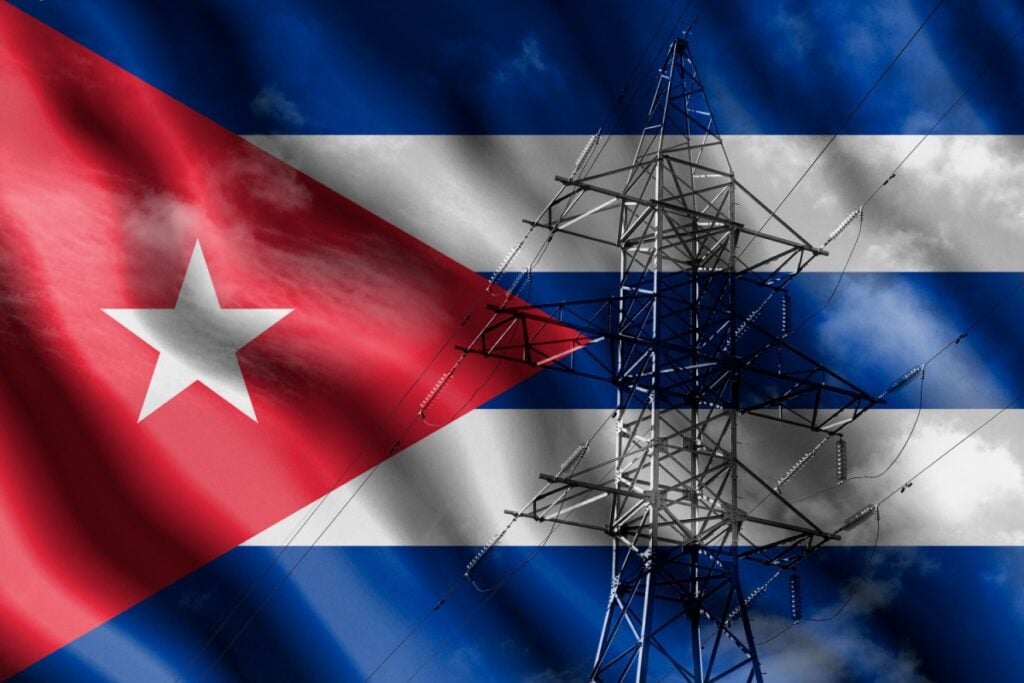
On Wednesday, December 3, 2025, a major blackout plunged Havana and much of western Cuba into darkness, cutting electricity to millions of residents on an island already grappling with chronic power shortages. Energy officials said the disruption began when a high-voltage transmission line connecting two key power plants failed, forcing parts of the national grid offline and triggering a cascading outage across several provinces.
The general director of the Ministry of Energy and Mines, Lázaro Guerra, said the fault occurred on a line linking the Antonio Guiteras plant in Matanzas with generating facilities that supply the capital. As protective systems shut down units to prevent further damage, power was lost from Pinar del Río to Mayabeque, including the densely populated metropolitan area around Havana.
By mid-afternoon, the government reported that power had been restored to significant portions of the capital and nearby provinces, though full service was not immediately guaranteed. In some districts, residents endured close to 12 hours without electricity, adding another episode to a long list of disruptive outages.
Daily Life Disrupted In Capital And Provinces
The sudden loss of power before dawn forced residents, businesses and public institutions across western Cuba to improvise. In central Havana, traffic lights went dark and police officers were sent to major intersections to prevent accidents and congestion. Public schools that had already opened in the morning dismissed students early as classrooms and cafeterias were left without electricity or running water.
Small private businesses scrambled to start diesel generators to keep food refrigerated and continue serving customers. Others were forced to close, losing an entire day’s revenue in an already fragile economy. Households without backup power sat through the heat without fans or air conditioning, and families who rely on electric pumps to fill rooftop tanks saw their access to drinking water temporarily cut off.
Residents also reported intermittent or complete loss of mobile data and internet service, leaving many unsure about the cause or expected duration of the outage. In several neighborhoods, people gathered around battery-powered radios to hear official announcements, recalling earlier nationwide failures that left more than 10 million people without electricity.
Long-Running Energy Crisis And Economic Strain
The blackout comes against the backdrop of a prolonged energy crisis that has repeatedly hit Cuba since 2024. A combination of aging thermal power plants, insufficient maintenance and chronic fuel shortages has left the grid vulnerable to frequent breakdowns. Many of the island’s main generating units have been in service for more than 30 years, and repairs require spare parts that are expensive and difficult to obtain.
Officials say the country’s financial difficulties are compounded by tighter U.S. sanctions, which make it harder to secure financing and discourage shipping companies from delivering fuel. At the same time, oil imports from allies such as Venezuela, Russia and Mexico have fallen, forcing planners to ration fuel and schedule extended power cuts. In some provinces, residents report daily outages of 10 to 20 hours, sparking sporadic protests over electricity and food shortages.
The energy turmoil is closely linked to a broader economic crisis that deepened during the COVID-19 pandemic, when international tourism, one of Cuba’s main sources of hard currency, largely collapsed. A troubled currency reform and persistent inflation have further eroded purchasing power, while repeated blackouts ruin refrigerated food, damage appliances and disrupt small businesses that depend on steady power.
Limited Relief From Renewable Energy Plans
Authorities have pointed to renewable energy as a long-term part of the solution, highlighting plans to build solar parks with support from Chinese and Vietnamese partners. Officials say these projects should gradually reduce dependence on imported fossil fuels and make the grid more resilient. For now, though, renewable sources account for only around 5% of Cuba’s electricity generation, and most new capacity remains under construction.
In the short term, the government is focusing on repairing key plants and reinforcing transmission lines, including the corridor that connects Antonio Guiteras with western provinces. Technicians worked through the day to bring units back online after the latest failure, while the state electric utility warned that additional service interruptions remain likely as long as generation capacity lags behind demand. For residents of Havana and neighboring provinces, the blackout highlighted how a single technical fault can still leave millions without power.
