


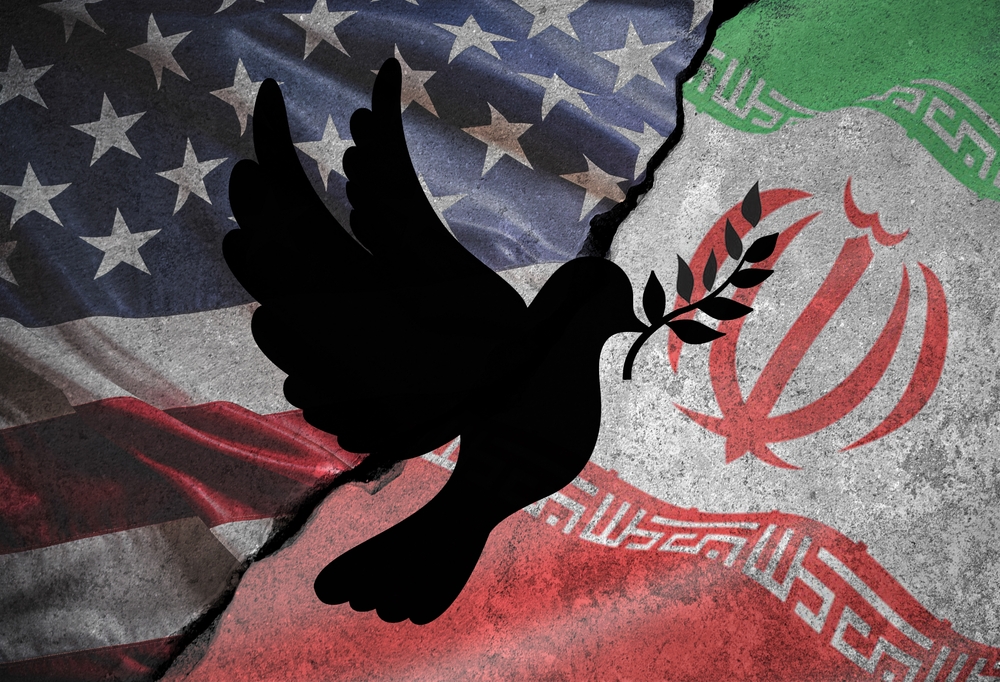
Ceasefires announced across Gaza, Lebanon, and the broader regional conflict involving Iran, Israel, and the United States were expected to reduce tensions and create pathways toward stability. Instead, fighting has intensified on multiple fronts, with military operations expanding, territorial gains being made, and diplomatic efforts struggling to produce lasting results. While none of the parties have formally abandoned their ceasefire agreements, ongoing clashes have raised serious questions about whether the truces still hold any practical meaning.
A Fragile Peace Gives Way to Renewed Violence
The Middle East has witnessed a series of ceasefire announcements over the past year, often accompanied by optimism about a potential reduction in hostilities. However, those hopes have steadily eroded as violence continues across Gaza, southern Lebanon, and the Persian Gulf.
Israeli forces have expanded their territorial control in Gaza, Hezbollah and Israel continue exchanging attacks across the Lebanese border, and the United States and Iran remain engaged in military confrontations despite ongoing negotiations aimed at securing a broader peace agreement.
As military actions continue, the concept of a ceasefire itself appears increasingly strained.
Gaza Ceasefire Stalls as Israeli Operations Expand
The ceasefire reached in Gaza last October was presented by U.S. President Donald Trump as a significant diplomatic achievement capable of laying the groundwork for broader Middle East peace.
The agreement ended two years of large-scale warfare and secured the release of hostages captured during Hamas’ October 7, 2023 attack. Yet many of the next steps envisioned under the deal have failed to materialize.
Hamas has not disarmed, Israeli troops have continued advancing into new areas, and plans for an international stabilization force remain unrealized. Efforts to establish a new Palestinian governing administration have stalled, while reconstruction projects have yet to begin.
Meanwhile, humanitarian conditions remain severe. Hundreds of thousands of Palestinians continue to live in temporary camps under difficult conditions, facing shortages, poor sanitation, and ongoing security concerns.
Israel and the United States argue that Hamas’ refusal to disarm has prevented progress. Hamas, however, accuses Israel of repeatedly violating the ceasefire through military strikes that have continued throughout the truce period.
Israeli officials maintain that military operations are necessary to respond to security threats and prevent militant activity near shifting front lines.
Prime Minister Benjamin Netanyahu has signaled that further territorial expansion remains a possibility, with Israel currently controlling approximately 60% of Gaza, up from around half the territory when the ceasefire was first signed.
Southern Lebanon Becomes a New Flashpoint
While a ceasefire agreement was reached in Lebanon in April, fighting between Israel and Hezbollah has persisted, particularly in southern regions of the country.
The latest escalation occurred when Israeli troops captured and raised their flag over Beaufort Castle, a historic Crusader fortress. The operation marked Israel’s deepest military advance into southern Lebanon since the end of its occupation in 2000.
Hezbollah responded by launching rocket attacks deeper into northern Israel, further escalating tensions along the border.
The Lebanese ceasefire has been complicated by disagreements over its implementation. Hezbollah never formally signed onto the arrangement but indicated it would respect the agreement if Israel ceased military operations and withdrew from Lebanese territory.
Israel, meanwhile, insists it will continue military actions until the threat posed by Hezbollah’s rockets and drones is eliminated.
Ongoing negotiations between Israel and Lebanon have produced little progress as both sides remain entrenched in their positions.
Iran and the U.S. Struggle to Secure Lasting Truce
The broader regional ceasefire involving Iran, Israel, and the United States was intended to halt the wider conflict and restore stability to global energy markets.
Central to those efforts is the Strait of Hormuz, one of the world’s most important shipping routes for oil exports.
Although Iran initially announced plans to reopen the strategic waterway following the April ceasefire, tensions resurfaced after the United States implemented a naval blockade targeting Iranian ports. Tehran responded by maintaining restrictions on maritime traffic, contributing to continued pressure on global fuel supplies.
Negotiations between Washington and Tehran have focused on several contentious issues, including Iran’s nuclear program, sanctions relief, and the future of the blockade.
Despite reports that both sides were nearing an agreement last week, no final deal emerged.
President Trump has repeatedly warned that military action could resume if Iran refuses to surrender its stockpile of highly enriched uranium. Iranian leaders, meanwhile, argue that nuclear negotiations cannot proceed until a more durable ceasefire is established.
Military Exchanges Continue Despite Diplomatic Talks
Even as negotiations continue, military confrontations between the United States and Iran have persisted.
According to U.S. officials, American forces struck Iranian radar and drone facilities after Tehran allegedly shot down a U.S. drone over the weekend.
Iran responded by launching missiles toward American military personnel stationed in Kuwait. The United States said those missiles were successfully intercepted.
In a statement posted on X, U.S. Central Command said it “will continue to protect our forces from Iranian aggression while supporting the ongoing ceasefire.”
The exchange highlights the contradiction at the heart of current diplomatic efforts: negotiations are ongoing, yet military actions continue almost simultaneously.
Ceasefires in Name, Conflict in Reality
The growing gap between diplomatic agreements and battlefield realities has become increasingly evident across the Middle East.
In Gaza, Israeli forces continue advancing. In Lebanon, Hezbollah and Israel remain locked in cross-border clashes. In the Gulf, the United States and Iran are still exchanging strikes while attempting to negotiate peace.
Although ceasefires technically remain in place, the continued fighting demonstrates how fragile and incomplete these agreements have become. Without progress on core political and security issues, the region risks sliding further away from stability despite repeated declarations of peace.
The ceasefires announced across Gaza, Lebanon, and the wider regional conflict were intended to create opportunities for diplomacy and reconstruction. Instead, they have exposed the deep divisions that continue to fuel violence throughout the Middle East. As military operations expand and negotiations struggle to gain traction, the region finds itself trapped between promises of peace and the realities of ongoing war. Whether these fragile agreements can still serve as a foundation for lasting stability remains one of the most pressing questions facing the international community.
