


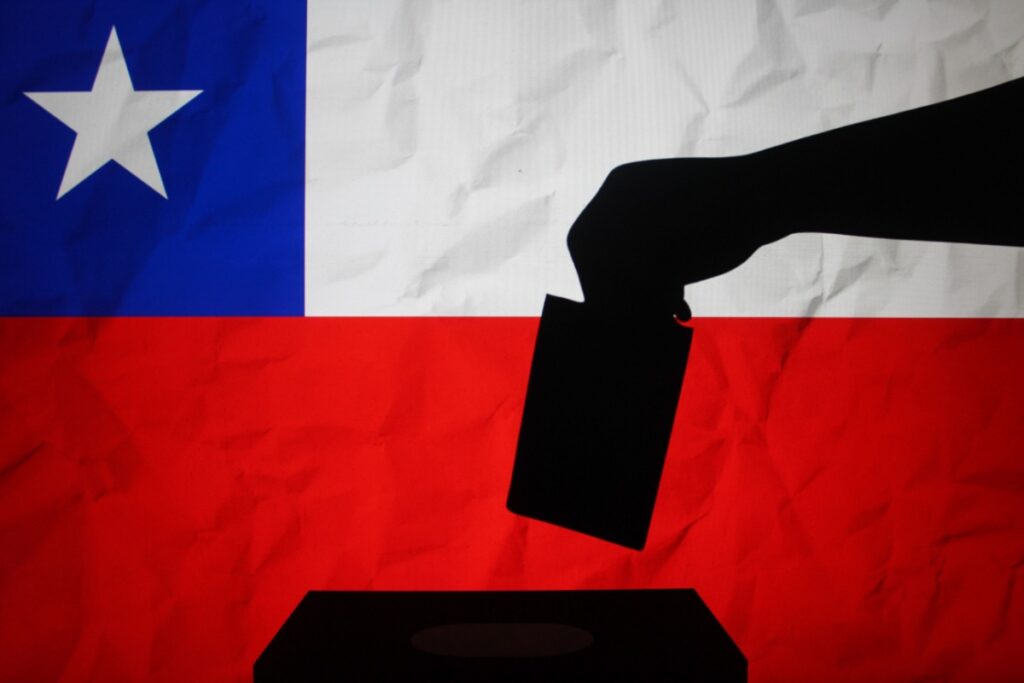
Chileans are preparing for one of their most polarized presidential contests since the return to democracy, choosing between hard-right lawyer José Antonio Kast and Communist Party figure Jeannette Jara in a runoff scheduled for Dec. 14, 2025. Neither candidate cleared the 50% threshold needed for an outright win in the first round, but the combined performance of right-wing forces has positioned Kast as the frontrunner going into the decisive vote.
Runoff Sets Hard-Right Kast Against Communist Jara
Official results gave Jara a narrow lead with just under 27% support, followed by Kast at around 24%. Those figures obscure the fact that most of the eliminated contenders came from conservative parties, giving Kast a larger reserve of potential backers. Jara, a former labor minister and the first Communist Party member to reach a Chilean presidential runoff, must consolidate center-left and moderate voters who remain wary of her party label.
Kast, a 59-year-old founder of the Republican Party, casts the contest as a choice between “freedom and socialism,” promising stricter security policies, faster economic growth and a rollback of reforms enacted under President Gabriel Boric. Jara argues for expanding social protections, raising wages and reducing household utility costs while insisting that public order and border control can be strengthened without abandoning democratic safeguards.
Immigrant Voters Confront A Difficult Decision
The stakes are high for Chile’s roughly 1.5 million immigrants, many of them from Venezuela, who have made the country a home after fleeing the rule of President Nicolás Maduro. Only about 900,000 foreign-born residents have lived in Chile long enough to vote, yet Kast’s hard line on migration has already divided neighborhoods, workplaces and families.
Kast has vowed to deport an estimated 300,000 people without legal status, restrict access to social benefits and build detention centers for those awaiting removal. He has urged undocumented migrants to leave voluntarily before tougher measures take effect, a message that supporters see as necessary to restore order and critics regard as a direct threat to their security and dignity.
His stance resonates with segments of the Venezuelan diaspora who associate “communism” with economic collapse and repression and fear that Jara’s affiliation could push Chile down a similar path. Other immigrants counter that backing a candidate who stigmatizes migrants means turning against friends and relatives who still lack formal papers, arguing that Chile’s democratic institutions make comparisons with Maduro’s government misleading.
Dictatorship’s Legacy And The Search For Security
The immigration debate taps into unresolved questions stemming from the 1973 military coup that toppled socialist president Salvador Allende and brought Gen. Augusto Pinochet to power. During Pinochet’s 17-year rule, at least 3,065 people were killed or disappeared, even as Chile became a testing ground for free-market reforms and privatization. For many, the word “communism” still evokes fears of state control and property seizures, despite the more pragmatic program Jara presents.
In earlier campaigns, Kast’s admiration for Pinochet, revelations about his father’s Nazi past and his opposition to abortion and same-sex marriage hurt his standing among moderates. Today, however, anxiety over crime and migration has pushed those controversies into the background. Chile, once seen as one of Latin America’s safest countries, has recorded an increase in violent offenses linked in part to transnational gangs such as Tren de Aragua, which exploited porous northern borders in recent years.
Kast promises an “emergency” security agenda, including new maximum-security prisons, expanded powers for security forces and rapid mass deportations, citing the example of El Salvador’s president Nayib Bukele and drawing inspiration from former U.S. president Donald Trump. Jara, while focused on social policy, has also toughened her message on crime, pledging to expel convicted drug traffickers and improve policing, though many voters doubt she can deliver the swift results they demand.
Chile’s Vote And A Regional Rightward Drift
Chile’s electoral battle is unfolding amid a rightward shift across Latin America. In countries such as Ecuador, El Salvador and Panama, conservative candidates have capitalized on public frustration over insecurity and weak growth. In Argentina, libertarian president Javier Milei has promoted deregulation and deep spending cuts since 2023, cultivating a close relationship with Trump and presenting himself as part of a global conservative wave.
Against that backdrop, Kast portrays his campaign as another front in the struggle against what he calls “21st-century socialism,” while Jara warns that a victory for the hard right could erode labor protections and social programs that Chileans have fought to expand over the past decade. The runoff will test whether concerns over crime, migration and economic uncertainty are strong enough to outweigh fears of authoritarianism in a country still marked by the scars of dictatorship.
