


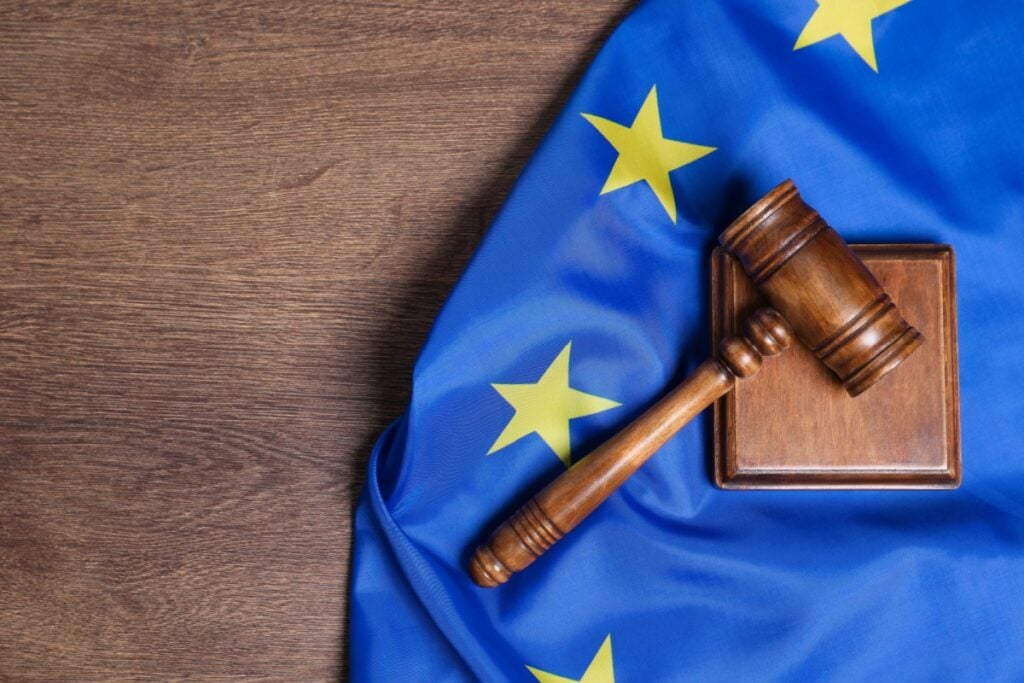
European Union lawmakers voted on Jan. 21, 2026, to pause the ratification track for the EU’s newly signed trade agreement with Mercosur, opting instead for a judicial opinion on whether the pact’s legal basis aligns with the bloc’s treaties. The decision was taken in Strasbourg, France, where the European Parliament narrowly backed a motion to refer the matter to the European Court of Justice. The ballot passed 334 to 324, with 11 abstentions, reflecting how sharply divided lawmakers remain over the agreement’s risks and benefits.
Because the court’s opinion is now required, the Parliament cannot proceed to a final ratification vote until judges rule. The timing is uncertain: the Associated Press described the delay as potentially lasting “months,” while other reporting has suggested the legal process could extend much longer depending on the scope of the court’s review and the questions put before it.
The vote followed demonstrations outside Parliament earlier in the week, underscoring the political pressure surrounding the deal—particularly from farming groups and lawmakers who argue the agreement does not sufficiently protect European agricultural producers.
Deal’s Scope And Economic Stakes
The EU-Mercosur agreement was signed on Jan. 17, 2026, after negotiations spanning roughly 25 years, and is designed to deepen economic ties at a moment when trade policy is increasingly shaped by geopolitical rivalries and competing industrial strategies. Supporters in Europe have framed the accord as a way to diversify supply chains, expand export markets, and reinforce partnerships beyond the transatlantic relationship.
In practical terms, the deal aims to phase out more than 90% of tariffs on goods traded between the two blocs, affecting products ranging from Argentine beef to German cars. Proponents say the tariff cuts would reduce costs across a combined market of more than 700 million consumers, while also improving EU access for industrial exports and supporting long-term commercial integration with South America’s largest economies.
European Commission President Ursula von der Leyen has cast broader trade networks as a strategic asset. Speaking at the World Economic Forum in Davos, she argued: “The more trading partners we have worldwide, the more independent we are,” linking the Mercosur pact to a wider push for new agreements, including talks involving India.
Political Fault Lines Across Europe
Resistance to the agreement has been strongest in countries where agriculture is politically influential, with France repeatedly pressing for tougher safeguards. After the Parliament’s vote, French Foreign Minister Jean-Noël Barrot welcomed the referral to the court, saying lawmakers had acted consistently with France’s position and adding that France “takes responsibility for saying no when it has to.”
The European Commission, by contrast, said it “strongly regrets” the decision to seek a legal opinion, reflecting concern that the referral could weaken momentum behind what Brussels has promoted as a flagship market-opening project.
Germany’s leadership and trade advocates criticized the move as a self-inflicted setback. German Chancellor Friedrich Merz called the Parliament’s decision “regrettable,” writing that it “misjudges the geopolitical situation” and urging: “No further delays.” Separately, Bernd Lange, chair of the Parliament’s trade committee, described the vote as “absolutely irresponsible” and argued that opponents should reject the pact outright rather than, in his view, delay it through procedural steps.
Next Steps And Possible Provisional Application
Even with the Parliament’s ratification process effectively on hold, the EU’s executive branch retains tools that could keep parts of the agreement moving. The Commission can provisionally apply certain elements of the deal while legal and political steps continue, though doing so would likely intensify scrutiny from governments and lawmakers already skeptical of the pact’s structure.
EU leaders were expected to address the broader path forward at a high-level meeting focused on transatlantic relations, while the trade pact’s legal track shifts to Luxembourg, where the European Court of Justice would evaluate whether the agreement’s design fits EU treaty requirements and the proposed legal basis for approval.
On the South American side, the political hurdle is widely viewed as lower. Mercosur includes Argentina, Brazil, Paraguay, and Uruguay. Bolivia, the bloc’s newest member, is not currently included in the trade deal, while Venezuela remains suspended from Mercosur and is also outside the agreement.
