


European leaders have intensified diplomatic and military planning to secure shipping through the Strait of Hormuz, one of the world’s most critical maritime corridors. The initiative follows weeks of disruption caused by conflict involving Iran and Western allies, which threatened global trade and energy supplies.
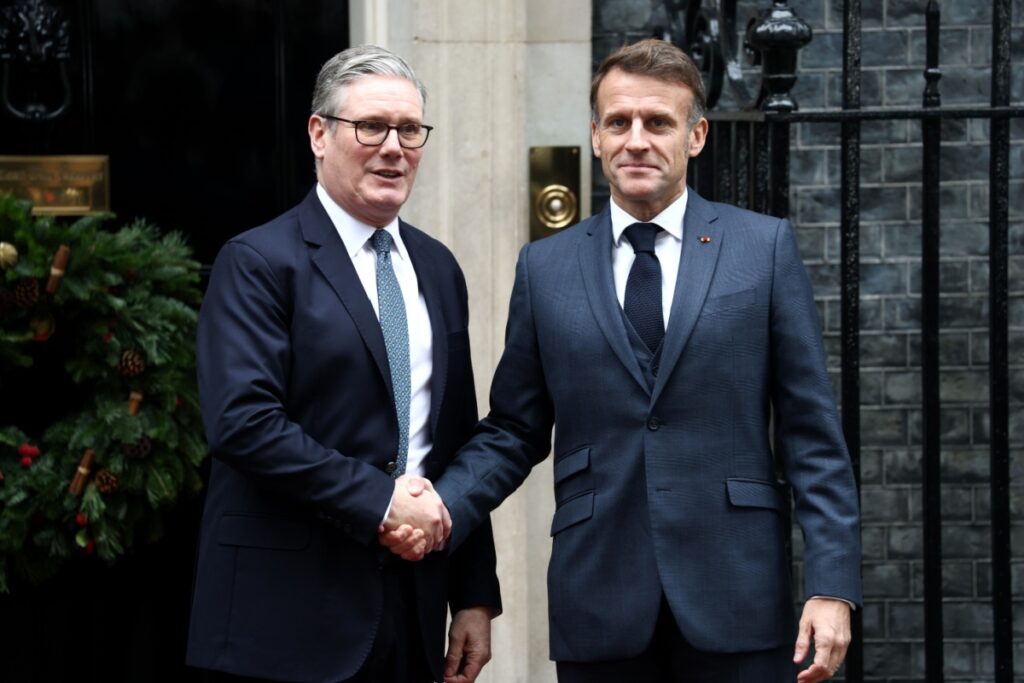
French President Emmanuel Macron and British Prime Minister Keir Starmer convened an international meeting in Paris to establish a defensive maritime mission to safeguard navigation on the waterway. German Chancellor Friedrich Merz also expressed support for a European-led effort and indicated that Germany could contribute mine-clearing operations and maritime intelligence, pending parliamentary approval.
Officials involved in the discussions described the proposed mission as defensive rather than confrontational. Military planners from multiple NATO and partner countries have been examining options to escort vessels and remove hazards from shipping lanes. The coalition includes more than 40 nations, reflecting the broad economic stakes tied to the strait’s continued operation.
Although the United States maintains a naval presence in the region, European governments have emphasized independent coordination in order to reduce the risk of further escalation with Iran. The initiative highlights ongoing tensions among Western allies over strategy and the extent of military involvement.
Strategic Importance of a Vital Global Route
The Strait of Hormuz connects the Persian Gulf to the Arabian Sea and is widely regarded as one of the world’s most strategically important shipping passages. Roughly 20 percent of global oil shipments pass through the narrow waterway, making any disruption a direct threat to international energy markets.
The crisis began after Iran restricted passage through the strait following airstrikes by the United States and Israel earlier in 2026. Iranian forces warned foreign vessels that entry would not be permitted, prompting shipping companies to reroute cargo or delay departures. Insurance premiums for tanker transit surged, and vessel traffic dropped sharply as operators assessed safety risks.
The closure triggered ripple effects across global supply chains. Energy shortages, rising fuel prices, and concerns about fertilizer distribution increased economic pressures worldwide. Europe experienced particular strain because of its reliance on imported energy supplies transported through the region.
In response, Western nations began exploring ways to reopen the passage while maintaining diplomatic channels. Early proposals included escorting ships through contested waters, expanding naval patrols, and negotiating transit agreements with Iran.
Ceasefire Opens Door to Temporary Navigation
Recent diplomatic developments have led to cautious optimism among policymakers. Iranian officials announced that commercial shipping routes were reopened during a ceasefire linked to fighting in Lebanon, signaling a temporary easing of tensions.
Financial markets reacted quickly to the news. Oil prices fell by approximately 10%, while stock indexes in several major economies posted gains as investors anticipated a return to shipping stability. Analysts noted that the reopening reduced immediate fears of supply shortages but warned that prices remained elevated compared with pre-conflict levels.
Despite the reopening, international leaders have stressed that long-term security arrangements remain necessary. Military experts caution that navigation could again be disrupted if diplomatic progress stalls or hostilities resume. As a result, planning meetings have continued to focus on sustaining maritime safety even during periods of fragile peace.
European officials have emphasized that any permanent solution must include cooperation from multiple regional and global actors. Discussions have also addressed legal authorization requirements, including potential United Nations involvement, prior to the full deployment of multinational naval forces.
Diplomatic Coordination and Future Planning
Efforts to coordinate a multinational response have intensified in recent weeks. Governments from Europe, Asia, and other regions have participated in consultations to determine how resources might be shared and how responsibilities would be distributed among participating states.
Several countries have already signaled their willingness to provide personnel, surveillance equipment, and naval assets for a future mission. Others remain cautious, citing budget constraints or political concerns about entering a prolonged military commitment. The coalition’s leaders have repeatedly described the mission as strictly defensive, designed to protect civilian shipping rather than engage in offensive operations.
Meanwhile, the United States continues to enforce a blockade targeting vessels linked to Iranian exports, a move intended to pressure Tehran during ongoing negotiations. Iranian authorities have warned that military actions near the strait could violate ceasefire terms, underscoring the delicate balance between deterrence and diplomacy.
International observers note that the outcome of these discussions will shape global energy stability for months to come. With economic recovery closely tied to secure maritime routes, governments are monitoring developments in the Strait of Hormuz as a key indicator of regional security and international cooperation.
