


Machado’s Escape and Arrival in Norway
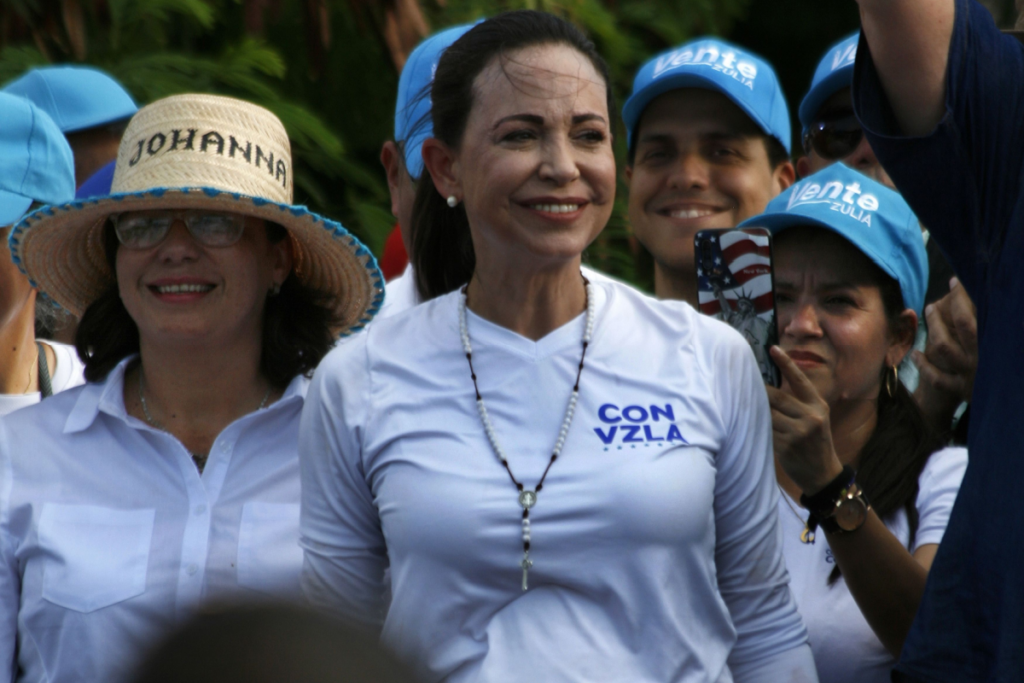
Venezuelan opposition leader María Corina Machado reached Oslo under extraordinary circumstances to receive her Nobel Peace Prize, marking a dramatic moment in the country’s ongoing political crisis. After more than a year in hiding following Venezuela’s disputed election, she traveled by sea and air using covert routes, aided by individuals who, she said, “risked their lives” to ensure her safe departure. Upon arriving in Norway, she was greeted by supporters outside the Grand Hotel, where she promised to return to Venezuela regardless of whether President Nicolás Maduro remains in power.
Machado avoided commenting on the operational details of her escape but acknowledged that international assistance played a role. While the US State Department declined to comment on her travel, she said the support she received was vital and underscored the international dimension of Venezuela’s democratic struggle.
Political Tension Around US Sanctions and Oil Seizures
Machado arrived in Europe just hours after the United States seized an oil tanker believed to be operating within an illicit shipping network tied to Venezuela and Iran. The Trump administration labeled the vessel a facilitator of illegal oil sales supporting what US officials called “foreign terrorist organizations.”
Machado responded cautiously, endorsing global efforts to curtail revenue streams that fund repression inside Venezuela without explicitly supporting US-led strikes or seizures. She argued that Maduro’s government uses illicit oil profits to sustain corruption and persecution rather than address critical shortages of food, medicine, and basic services. Caracas condemned the tanker seizure as “international piracy,” further escalating tensions with Washington.
US officials have previously signaled that they view Maduro’s alliances with criminal groups, paramilitary actors, and foreign intelligence services as a threat to regional stability. Analysts note that Machado’s long-standing alignment with the argument that Venezuela poses a national security concern to the US has elevated her profile among foreign policymakers.
Democratic Movement and Questions of Intervention
While Machado affirmed that criminal networks propping up Maduro “have to be stopped,” she carefully avoided endorsing foreign military intervention. Instead, she reframed the question, saying Venezuela is already “invaded” by non-state armed groups, Russian and Iranian operatives, and Colombian drug cartels that operate freely with government tolerance.
Her comments reflect the delicate balance opposition figures face: welcoming international pressure while distancing themselves from accusations of supporting external regime change.
Machado reiterated her belief that the Trump administration’s tougher approach has weakened Maduro’s government. But she emphasized that Venezuelans themselves must drive the path toward democratic change and that she does not coordinate on foreign national security decisions.
Asked whether Maduro’s intelligence services knew her whereabouts during her 15 months in hiding, she said they did not — and that authorities “would have done everything” to block her trip if they had known.
Prospects for Return and the Road Ahead
Despite being warned by Venezuelan authorities that leaving the country would classify her as a fugitive, Machado vowed to return home soon. She continues to view her struggle as part of a broader national movement for a democratic transition, insisting Venezuela will one day be “bright, democratic and free.”
Her Nobel Peace Prize has amplified her international standing, but the opposition remains fractured and faces intensified pressure from a government that has repeatedly cracked down on dissent. Still, Machado said she met many Venezuelans in Oslo who expressed optimism about returning to a future, liberated homeland.
She has received numerous invitations for meetings in Europe and the US but has not confirmed further travel plans, stating only that she intends to return to Venezuela after concluding essential discussions abroad.
