


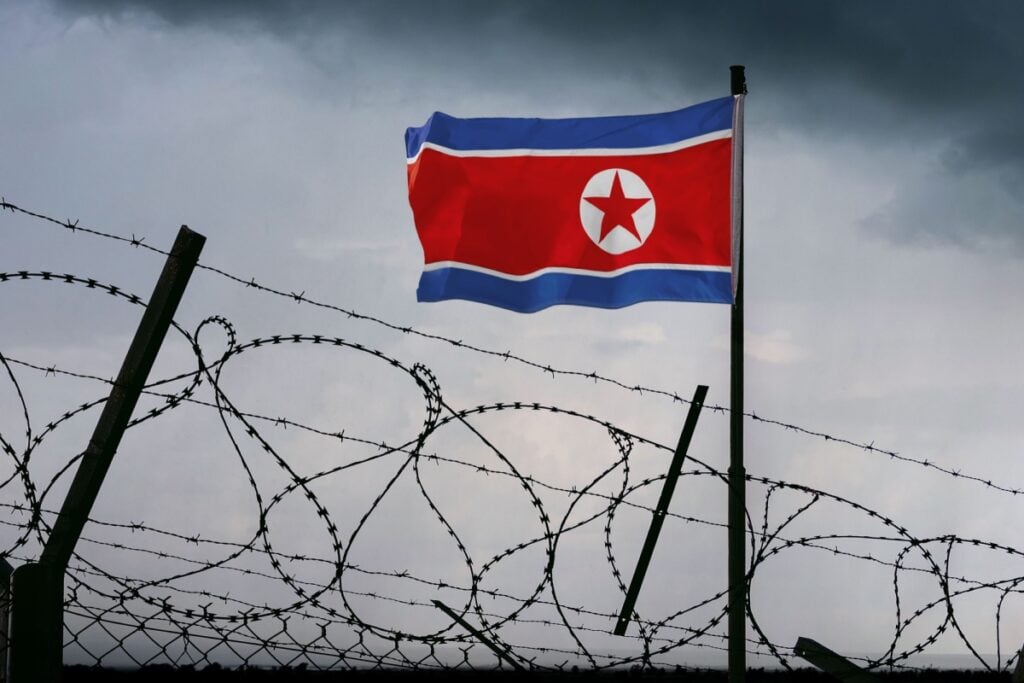
North Korea fired multiple short-range ballistic missiles into waters off its eastern coast on April 8, marking the country’s second round of launches within two days, according to South Korea’s military authorities. The tests occurred amid heightened political rhetoric between Pyongyang and Seoul and drew renewed attention to regional security dynamics.
South Korea’s Joint Chiefs of Staff reported that several missiles were launched from the coastal city of Wonsan early in the day. These projectiles traveled roughly 240 kilometers before landing in waters east of the Korean Peninsula. Later, another ballistic missile was fired that traveled more than 700 kilometers before falling outside Japan’s exclusive economic zone, according to Japanese defense officials.
Military officials in Seoul said they remain prepared to respond to any further provocations and continue to operate in close coordination with the United States under their longstanding security alliance. The U.S. Indo-Pacific Command stated that the launches did not pose an immediate threat to American personnel or territory, nor to allied nations.
The launches followed reports of a separate projectile fired the previous day from near North Korea’s capital region. South Korean media reported that the earlier attempt may have failed after abnormal flight behavior was detected shortly after launch.
Heated Rhetoric Undermines Diplomatic Signals
The missile activity coincided with sharp statements from North Korean officials criticizing South Korea’s diplomatic outreach. A senior official from Pyongyang’s foreign ministry described South Korea as the North’s “most hostile enemy state,” dismissing hopes that recent gestures might improve relations.
The exchange followed an unusual sequence of remarks that briefly suggested the possibility of reduced tensions. South Korean President Lee Jae Myung had expressed regret over incidents involving civilian drones crossing into North Korean territory. In response, Kim Yo Jong, the influential sister of North Korean leader Kim Jong Un, initially described Lee’s comments as evidence of sincerity but warned that similar incidents could prompt retaliation.
South Korean officials interpreted Kim Yo Jong’s earlier statement as a potential sign of willingness to reopen dialogue. However, North Korean authorities later clarified that the remarks were intended as a warning rather than a conciliatory gesture. Analysts noted that the subsequent missile launches reinforced Pyongyang’s rejection of Seoul’s outreach efforts.
Relations between the two Koreas have remained strained for years, particularly after diplomatic efforts between North Korea and the United States stalled in 2019. Since then, Pyongyang has repeatedly conducted missile tests and emphasized military preparedness as part of its national strategy.
Ongoing Weapons Development Raises Regional Concerns
The recent launches come amid broader efforts by North Korea to enhance its weapons capabilities. South Korean intelligence officials recently reported that Pyongyang tested an upgraded solid-fuel rocket engine believed to be part of a new intercontinental ballistic missile system. Such systems are designed to improve launch readiness and mobility, making detection more difficult.
Solid-fuel missiles can be deployed more quickly than liquid-fuel systems because they do not require extensive preparation prior to launch. This capability increases the survivability of missile units and complicates defensive planning for neighboring countries. Experts also believe North Korea is working toward developing missiles capable of carrying multiple warheads, which could challenge existing missile defense systems.
North Korea’s missile program remains subject to United Nations Security Council restrictions, yet the country has continued testing advanced technologies in recent years. South Korean officials view the ongoing development as part of a long-term effort to expand nuclear deterrence and strengthen strategic leverage in international negotiations.
Regional Security Responses and Strategic Implications
Governments across Northeast Asia responded swiftly to the latest launches. Japan confirmed that the longer-range missile fell into waters beyond its exclusive economic zone, avoiding direct territorial impact but reinforcing concerns about regional stability.
South Korea reiterated its commitment to maintaining vigilance alongside U.S. forces, emphasizing that joint monitoring and intelligence-sharing remain central to regional defense planning. The continued frequency of missile tests in 2026 has prompted closer analysis by military authorities seeking to identify patterns in North Korea’s testing schedule and technological progress.
The latest events also underscore the persistence of military tensions despite intermittent diplomatic messaging between Pyongyang and Seoul. Analysts suggest that North Korea may be combining diplomatic signals with demonstrations of military capability to reinforce its negotiating position while maintaining pressure on regional rivals.
As missile launches continue to occur alongside shifts in political rhetoric, regional leaders remain focused on deterrence strategies and the long-term management of security risks across the Korean Peninsula.
