


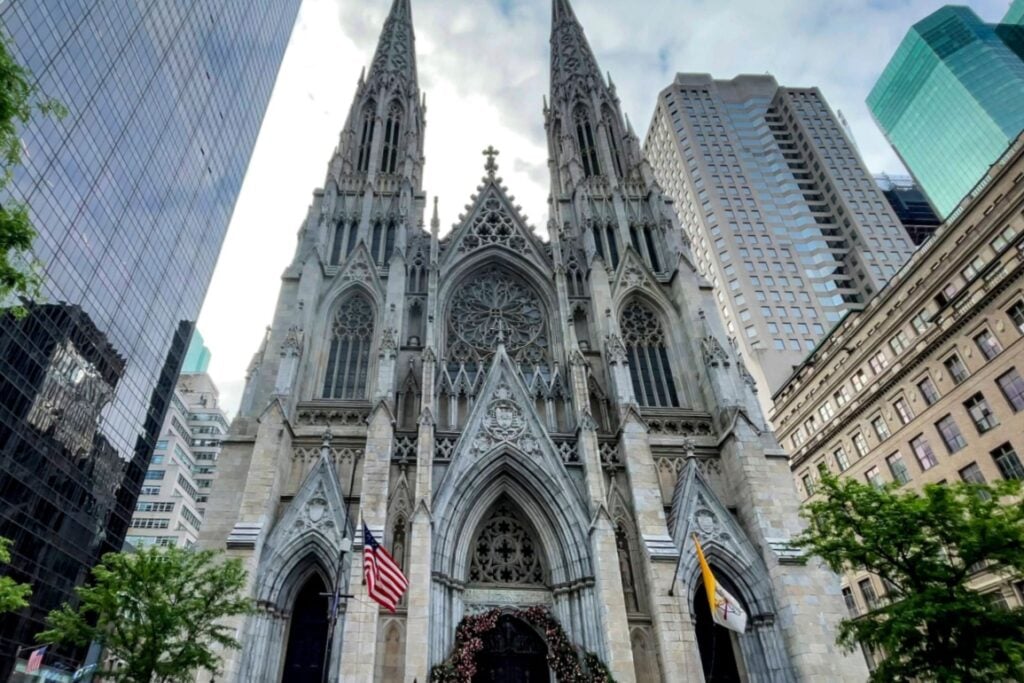
Pope Leo XIV has appointed Bishop Ronald Hicks, the bishop of Joliet, Illinois, as the next archbishop of New York, a post that ranks among the most influential in the U.S. Catholic hierarchy. Hicks will succeed Cardinal Timothy Dolan, who submitted his resignation after turning 75, in line with church practice. The timing follows Dolan’s completion of a plan to establish a 300 million US dollars compensation fund for survivors of clergy sexual abuse who sued the archdiocese.
At a news conference announcing the change, Hicks said he accepted the assignment “with humility and an open heart” and asked Catholics for prayers as he prepares to take on the role. Dolan said he had not known Hicks before the selection but told reporters he had quickly developed confidence in his successor. The handover also underscores a new chapter for the U.S. church under Leo, a Chicago native elected pope in May 2025.
Immigration And The Trump Administration Backdrop
The appointment lands amid heightened national debate over immigration, an issue that has placed Catholic leadership in visible disagreement with the Trump administration. Leo and senior U.S. bishops have signaled a willingness to challenge enforcement tactics they say undermine human dignity, and church observers see Hicks as closely aligned with that emphasis.
In November, Hicks endorsed a special message from the U.S. Conference of Catholic Bishops condemning immigration raids and urging Catholics to show solidarity with immigrants. In promoting the statement, Hicks said it reflected Catholic social teaching and called for meaningful immigration reform. The move drew attention because enforcement activity has targeted Chicago in particular, linking the national controversy to a diocese where Hicks has longstanding ties.
Dolan’s relationship with politics has been more complicated. He hosted New York’s annual Al Smith Dinner, a marquee fundraiser for Catholic charities that has traditionally brought together candidates from both parties for lighthearted exchanges ahead of Election Day. In 2024, Donald Trump attended while Democratic nominee Kamala Harris declined. Trump later asked Dolan to pray at his inauguration and appointed him to a Religious Liberty Commission. Dolan also criticized Trump for sharing an AI-generated image of Trump dressed as a pope ahead of the conclave that elected Leo.
A Chicago Cleric With A Heavy Initial Portfolio
At 58, Hicks brings a combination of administrative experience and overseas ministry. He grew up in South Holland, Illinois, and spent five years in El Salvador leading a church-run orphanage program that operated across nine countries in Latin America and the Caribbean. In Chicago, he served as a parish priest and worked in priestly formation at Mundelein Seminary before moving into senior roles. In 2015, Chicago Cardinal Blase Cupich named him vicar general of the archdiocese; he became an auxiliary bishop three years later, and Pope Francis appointed him bishop of Joliet in 2020.
In New York, Hicks will face immediate operational and accountability demands. The archdiocese serves about 2.5 million Catholics in Manhattan, the Bronx and Staten Island, plus seven counties north of the city. One of his earliest responsibilities will be overseeing the implementation of the abuse settlement fund, which is to be financed through budget reductions and asset sales and is intended to cover settlements for roughly 1,300 outstanding claims. Hicks said the church “can never rest” in efforts to prevent abuse, protect children and support survivors, pointing to the need for accountability, transparency and healing.
Hicks also arrives with experience of similar scrutiny in Illinois. A state attorney general investigation released in 2023 concluded that 451 Catholic clergy abused 1,997 children in Illinois between 1950 and 2019, while documenting failures by previous church leaders; it noted that current protection policies were viewed more positively even as the report underscored the scale of harm.
Hicks is expected to be installed as archbishop in early February 2026, as the New York archdiocese continues restructuring while navigating immigration politics and efforts to rebuild trust.
