


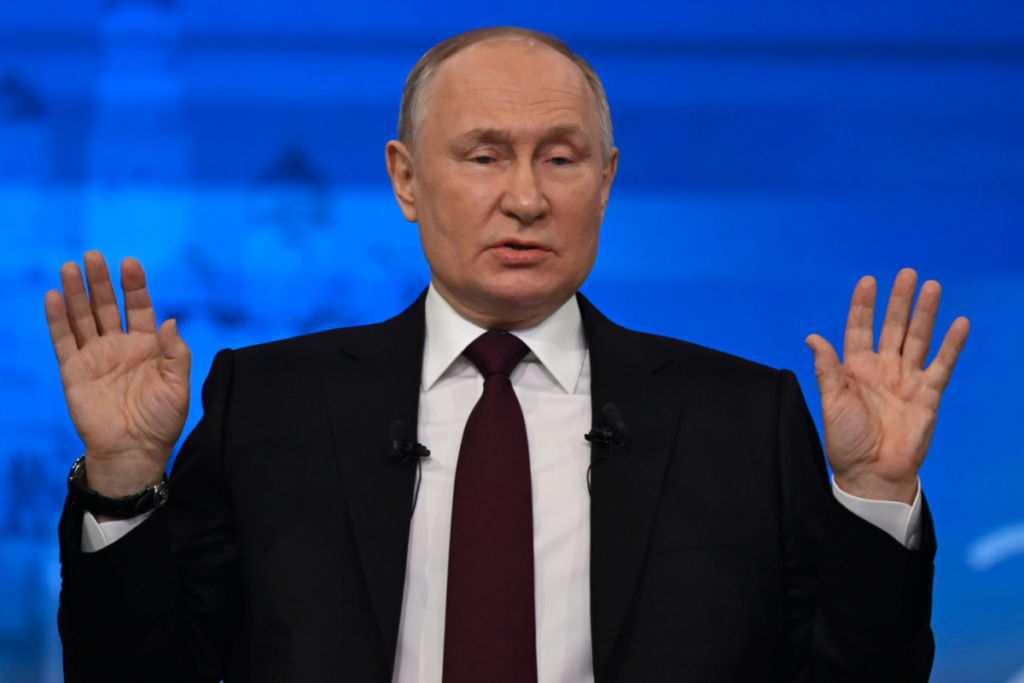
India is deepening its energy partnership with Russia even as Washington seeks to deter New Delhi from relying on Russian fuel. During a joint appearance with India’s prime minister, Russia’s president emphasized Moscow’s readiness to provide “uninterrupted shipments” of oil and other energy supplies. It was a strong message at a time when energy trade sits at the heart of global geopolitical tensions.
Russia has spent recent years redirecting its crude exports to markets still willing to buy, and India has become its second-largest customer behind China. Analysts say these flows reflect both economic pragmatism and a shifting global landscape in which sanctions continue to reshape energy relationships. For India, the challenge has been balancing long-established links with Moscow with its strategic partnership with the United States, which remains a key ally and trade partner.
Washington has been tightening restrictions tied to Russian energy, targeting major companies involved in the trade. U.S. tariffs have also increased costs for India when it purchases Russian crude. However, India continues to rely on Russia for fuel security and for military cooperation considered essential to its long-term defense planning.
The Russian president publicly questioned why the U.S. demands that India cut imports while still doing energy business with Moscow itself. He pointed to ongoing American purchases of Russian nuclear fuel that support U.S. power plants. If such transactions remain acceptable to Washington, he argued, then India should have equal access.
India has reduced Russian oil volumes at times, but energy analysts believe those dips are likely temporary. As long as Russian crude is discounted compared to global benchmarks, market logic favors continuation of the trade.
Energy Links
India’s growing dependence on Russian oil is only part of a much broader relationship across the energy sector. Russia’s state-owned nuclear company is building reactors for a major power facility in southern India, a key project for the country’s ambition to expand nuclear generation. Russia has also supplied nuclear fuel and remains a critical partner in technology and equipment for the sector.
Russian officials describe the partnership as comprehensive, noting that Russia provides oil, natural gas, coal and other energy resources vital to India’s rapid economic development. India, one of the fastest-growing large economies, continues to see rising demand for power and industrial fuels.
Still, India has diversified where it can. It recently announced a deal with the United States for liquefied petroleum gas imports through state-owned companies. The agreement was framed as a milestone in U.S.–India energy relations and signals New Delhi’s intent to maintain balance in its portfolio of suppliers.
Geopolitics and Trade
Russia’s isolation from Western markets has accelerated a shift toward Asia that was already underway. Sanctions have cut access to European buyers and financial networks, forcing Moscow to find alternative customers. India and China, both major importers of fossil fuels, benefited from lower-cost Russian crude that often sells below global market prices.
These choices, however, come with diplomatic calculations. India has condemned violence in Europe while refusing to take sides in global disputes, and it publicly maintains that energy security and affordability remain critical priorities. Washington, aware of India’s role as a strategic counterweight in Asia, has applied pressure but stopped short of actions that could damage broader cooperation.
Experts describe India’s approach as careful navigation between powerful partners. Its leaders argue that a diverse energy supply is essential, especially as the country seeks to support manufacturing growth and expand electrification. Russian oil plays a significant role in meeting that demand today.
Future Outlook
The ongoing alignment between India and Russia is likely to continue as long as the economics remain favorable and diplomatic space allows. Russia views India as a key market, and India sees Russia as a reliable supplier during a period of global commodity volatility.
While the U.S. is increasing scrutiny of Russian energy flows, India appears determined to maintain autonomy over its energy decisions. Officials in New Delhi have repeatedly stated that national interest guides import policies, not external pressure.
The energy trade has become a symbol of broader shifts within the international order. As the world transitions to cleaner power sources over time, partnerships will evolve, but for now, oil and gas remain central to India’s growth — and Russia is determined to keep those barrels flowing.
