


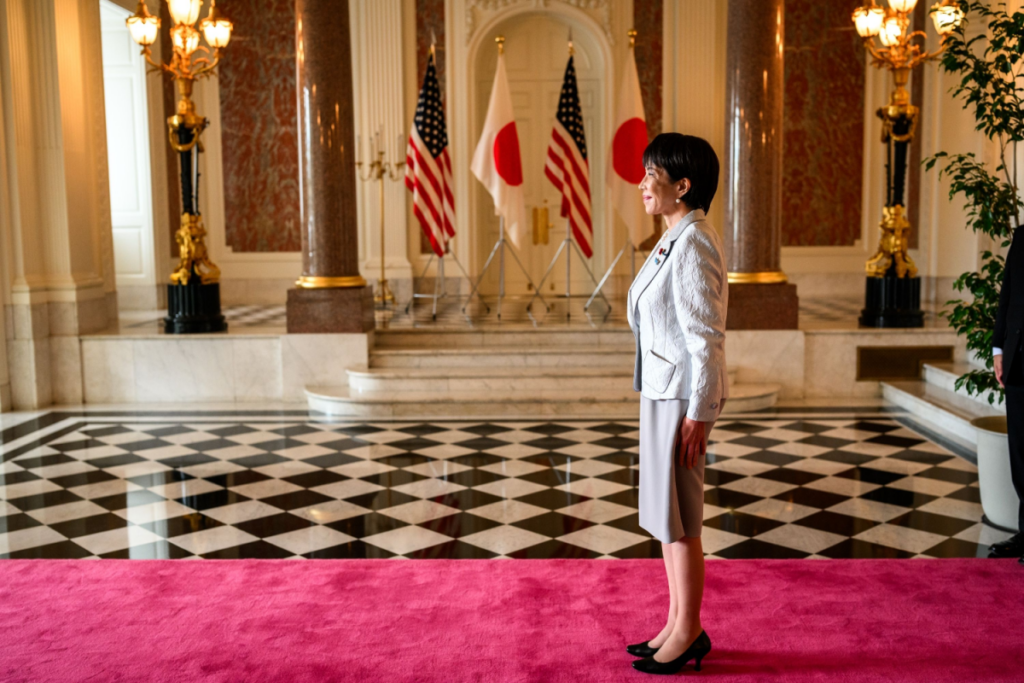
A Landslide That Redefines Political Power
Japan’s first female prime minister, Sanae Takaichi, has delivered an unprecedented electoral triumph for the long-ruling Liberal Democratic Party. Riding a wave of personal popularity and strong leadership appeal, the party secured the largest majority it has ever achieved in the lower house. The scale of the win goes beyond a routine mandate. It grants the ruling bloc overwhelming control of parliament and dramatically weakens the influence of opposition forces.
The snap election unfolded under challenging circumstances, including an unusually short campaign period and severe winter conditions across large parts of the country. Despite these obstacles, voter support consolidated firmly behind Takaichi and her party. An exceptional share of the party’s candidates won their races, underlining how strongly the election centered on leadership rather than party ideology alone. Japanese politics has often been shaped by charismatic figures, and this election followed that familiar pattern, with voters rewarding decisiveness at the top.
This decisive result allows the ruling party to override resistance from the upper house, effectively removing many of the institutional barriers that have slowed reform efforts in the past. For Takaichi, the victory is not only historic in symbolic terms but also transformative in practical political power.
A Mandate for Bold and Divisive Reforms
With parliamentary dominance secured, Takaichi has signaled her intention to push forward a far-reaching agenda, even if it risks dividing public opinion. Central to this agenda is a major shift in economic and fiscal policy, combined with a stronger emphasis on national security and intelligence capabilities. These priorities reflect a broader trend toward more assertive governance and a willingness to challenge long-standing assumptions.
One of the most consequential implications of the supermajority is the renewed possibility of revising Japan’s pacifist constitution. The ruling party has long sought constitutional change, but previous governments lacked the numbers to act decisively. Under the current balance of power, constitutional amendments and a national referendum are now realistic possibilities rather than distant ambitions.
At the same time, the scope and cost of these ambitions raise significant questions. Japan’s public debt already exceeds twice the size of its economy, placing limits on how expansive fiscal and security policies can be financed. Critics argue that without clear funding mechanisms, ambitious reforms could strain public finances further. Supporters counter that a strong mandate is precisely what is needed to overcome structural inertia and make difficult choices.
Shifting Alliances and a Move to the Right
Takaichi’s rise has also reshaped Japan’s political alliances. After her election as party leader, the long-standing coalition with a centrist partner collapsed, ending decades of cooperation. In its place, the ruling party formed a new alliance with a right-wing populist group, signaling a clear ideological shift.
This realignment had immediate electoral consequences. The newly formed centrist coalition suffered heavy losses, leading to leadership resignations and internal reassessment. The outcome highlights a broader movement in Japanese politics toward more conservative and nationalist positions, driven by concerns over security, economic competitiveness, and regional influence.
Markets responded swiftly to the election outcome. Equity prices surged to record levels, government bond yields climbed, and the national currency experienced sharp movements before stabilizing. Investors appeared to price in expectations of policy clarity and stronger executive control, even as uncertainty remains about long-term fiscal sustainability.
Foreign Policy Ambitions and Regional Tensions
On the international stage, Takaichi has emphasized continuity and assertiveness. The alliance with the United States remains the cornerstone of Japan’s foreign policy, with expectations of closer coordination on security and strategic issues. This approach aligns with the broader vision of a free and open Indo-Pacific, a framework aimed at maintaining a rules-based regional order.
However, this stance places Japan at the center of growing regional tensions. Relations with China are strained, particularly over scenarios involving Taiwan, where statements from Japanese leadership have suggested a willingness to respond militarily to extreme developments. Such positions elevate Japan’s strategic profile but also increase diplomatic risk.
Crucially, Takaichi’s overwhelming parliamentary control strengthens her hand abroad as well as at home. With limited domestic opposition, she is better positioned to negotiate, commit resources, and follow through on policy promises. Whether this concentration of power will deliver stability and reform or deepen divisions remains one of the defining questions of Japan’s new political era.
