


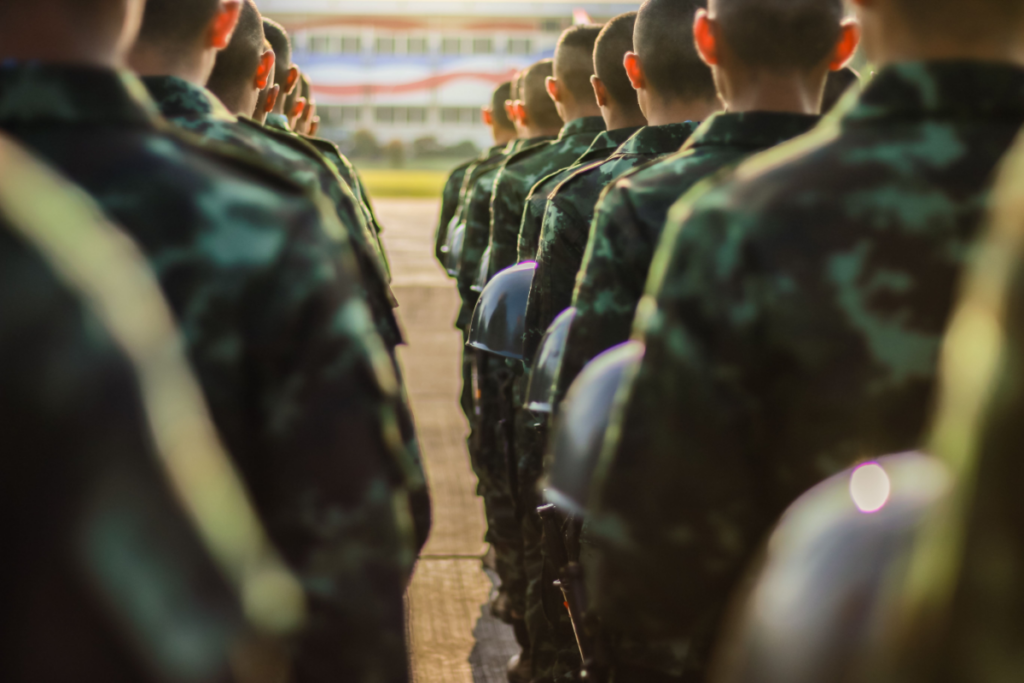
Rising Tensions After a Fragile Truce
Tensions between Thailand and Cambodia have resurfaced after the Thai army accused its neighbor of breaching a recently agreed ceasefire along their disputed border. The truce had been welcomed as a critical step toward calming weeks of violent clashes that forced close to one million people to flee their homes and disrupted daily life across border communities.
According to Thai military officials, the alleged violation involved the detection of more than 250 unmanned aerial vehicles crossing from the Cambodian side into contested areas during the night. Thai authorities described the incident as a serious provocation and argued that it directly contradicted the spirit and terms of the ceasefire, which was designed to halt hostilities and prevent further escalation.
The agreement had required both sides to freeze troop positions, prohibit reinforcements, and create conditions that would allow displaced civilians to return safely. It was widely viewed as a breakthrough after sustained fighting that resulted in dozens of military and civilian casualties. The renewed accusations now raise concerns that the fragile calm may be slipping away.
Drone Flights and Accusations of Provocation
The Royal Thai Army stated that the drone activity undermined confidence-building measures and risked reigniting conflict. Military leaders emphasized that such actions were inconsistent with commitments made under the ceasefire framework, which sought to reduce tensions rather than test defensive limits.
Thai officials also signaled that continued violations could have broader consequences. Among the measures under reconsideration is the possible release of Cambodian soldiers currently held in Thailand. The army warned that if infringements on agreements and national sovereignty persist, Thailand would be compelled to respond in line with its security obligations.
Cambodia, however, offered a sharply different interpretation. Its foreign minister characterized the drone sightings as a minor issue related to routine aerial activity observed by both sides along the border line. From Phnom Penh’s perspective, the incident did not amount to a breach of the ceasefire and should not be escalated into a political or military crisis.
This divergence in narratives highlights the deep mistrust that continues to define relations between the two countries, even in moments intended to signal de-escalation.
Diplomatic Efforts Under Strain
The ceasefire had been achieved after intensive negotiations, supported by diplomatic encouragement from major international players including China and the United States. The agreement was praised as a hard-won compromise that could prevent further bloodshed and stabilize a volatile region.
Global reactions to the renewed tensions underscore the delicate balance now at risk. International leaders had publicly welcomed the ceasefire as a rapid and fair resolution to escalating violence. The emergence of fresh accusations so soon afterward threatens to weaken confidence in diplomatic mechanisms and raises doubts about whether external mediation can sustain long-term peace without stronger commitments on the ground.
For border communities, the uncertainty is particularly acute. Many families displaced by earlier clashes remain hesitant to return home, fearing that renewed fighting could erupt with little warning. The promise of stability, which briefly seemed within reach, now appears uncertain.
A Longstanding Border Dispute
The conflict between Thailand and Cambodia is rooted in a border dispute that stretches back more than a century. Competing claims over territory, including culturally and historically significant sites, have repeatedly triggered nationalist sentiment and military standoffs.
In recent times, tensions escalated after symbolic acts at a disputed temple reignited public emotion on both sides. That episode was followed by a deadly clash that marked the lowest point in bilateral relations in more than a decade. Subsequent days of intense fighting left dozens dead and displaced thousands of civilians, turning the border into a humanitarian and security flashpoint.
A previous ceasefire arrangement collapsed after fresh clashes, with each side blaming the other for its failure. The current accusations over drone activity echo that pattern, reinforcing fears that without sustained dialogue and verifiable compliance, any truce remains vulnerable.
As both governments weigh their next steps, the situation underscores how fragile peace can be in regions where historical grievances, military mistrust, and political pressure intersect. Whether the latest ceasefire can survive will depend on restraint, transparency, and a willingness by both sides to prioritize stability over confrontation.
