


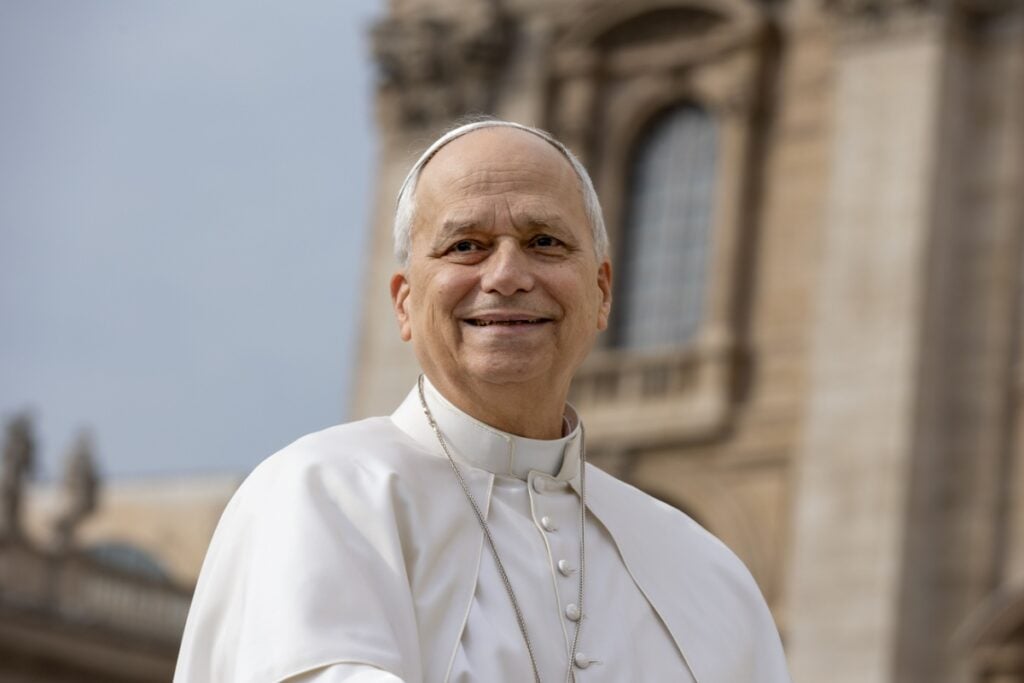
A public dispute has emerged between U.S. President Donald Trump and Pope Leo XIV, highlighting growing tensions between political leadership and religious authority amid ongoing conflict involving Iran.
The disagreement intensified after the pope urged world leaders to pursue diplomatic solutions and avoid further escalation in the Middle East. Speaking during recent engagements and public appearances, Pope Leo emphasized the importance of reconciliation and dialogue, framing his position in terms of moral teachings rooted in Christian tradition.
President Trump responded sharply on social media, criticizing the pope’s position and accusing him of being overly sympathetic to adversaries. The president described the pontiff as weak on security matters and suggested that his views could undermine political stability and strategic decision-making.
Observers note that direct public confrontation between a U.S. president and a pope remains unusual, particularly given the Catholic Church’s global influence and its longstanding diplomatic presence. The dispute has drawn attention from religious leaders and political analysts worldwide, many of whom view the conflict as part of a broader ideological divide over the use of military force.
Pope Leo XIV Defends Calls for Peace
Pope Leo XIV has maintained that his remarks were not intended as personal criticism but rather as a general appeal for restraint in times of conflict. During remarks on an international visit, he reiterated that peace and humanitarian principles should guide international responses to war.
He warned against what he described as a global “delusion of omnipotence,” arguing that reliance on overwhelming military power often leads to further instability rather than lasting security. The pope also called for multilateral cooperation and respect for international norms as essential tools for resolving disputes.
Support for the pontiff has come from segments of the Catholic hierarchy and international leaders who emphasize the Vatican’s traditional role as a moral voice advocating peace. Church officials have stressed that the pope’s statements align with longstanding Catholic teachings that prioritize dialogue over violence, particularly during humanitarian crises.
The pope’s intervention followed previous criticism of rhetoric suggesting the destruction of Iranian infrastructure or cultural sites. He described such language as unacceptable, underscoring concerns about the humanitarian consequences of prolonged warfare.
Political Response and Domestic Reaction
President Trump’s public comments have been accompanied by continued messaging aimed at defending his administration’s policies related to the conflict. In several statements, he argued that firm military action remains necessary to protect national interests and deter hostile actions by Iran. (Axios)
The confrontation has resonated within the United States, particularly among religious communities. Some Catholic leaders have voiced support for the pope’s emphasis on peace, while others have aligned more closely with the administration’s position on national security. Analysts suggest the dispute reflects broader domestic debates over the role of military power in foreign policy.
The controversy also unfolded alongside broader tensions between the Vatican and U.S. leadership on issues such as immigration and international humanitarian law. Experts note that these underlying disagreements may have contributed to the intensity of the current exchange. (Axios)
Meanwhile, international observers have watched closely as both figures continue to address global audiences. The pope’s moral authority among approximately 1.4 billion Catholics worldwide has amplified the impact of his statements, while the U.S. presidency carries significant geopolitical influence.
Broader Implications for Global Diplomacy
The dispute comes at a time of heightened global uncertainty, as military developments in the Middle East continue to influence international relations and energy markets. The Vatican has historically served as a diplomatic intermediary in conflicts, often seeking to encourage dialogue between opposing sides.
Pope Leo XIV has continued to call for international cooperation and legal frameworks designed to prevent escalation. During recent addresses abroad, he warned against violations of international law and emphasized the need for justice and solidarity among nations.
Diplomatic analysts suggest that the exchange between the pope and the U.S. president could shape perceptions of Western unity during ongoing negotiations and ceasefire efforts. The visible disagreement underscores the complexity of balancing strategic considerations with moral appeals for peace.
As global leaders assess the evolving situation, the interaction between religious authority and political power has drawn renewed attention to the influence of public messaging during wartime. The ongoing exchange between Washington and the Vatican is closely monitored by governments and international organizations as they seek to navigate the next phase of the conflict.
