


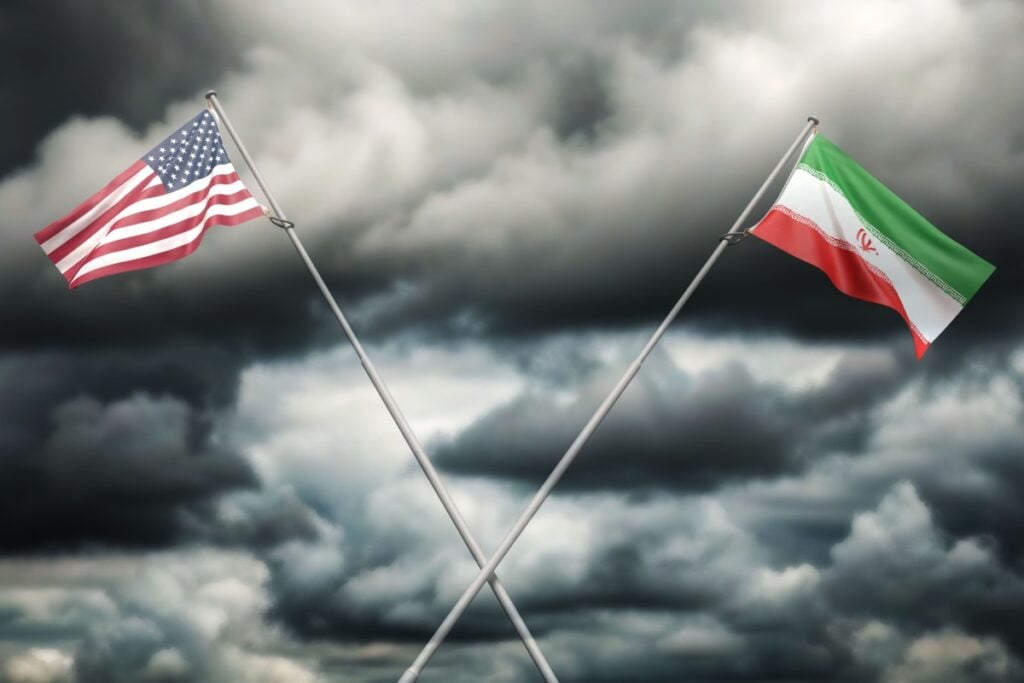
The United States intensified its warnings toward Iran as President Donald Trump set what he described as a final deadline for Tehran to reopen the Strait of Hormuz, a critical maritime route for global energy shipments. The ultimatum, scheduled for 8 p.m. Eastern Time on Tuesday, followed several earlier deadlines that had been postponed amid ongoing negotiations and military activity.
Trump stated that Iran must allow shipping traffic to resume through the narrow waterway or face severe military retaliation. In public remarks and social media statements, he warned of devastating consequences if Iran failed to comply, at one point declaring that “a whole civilization will die tonight,” signaling the seriousness of the administration’s position.
The rhetoric marked one of the most forceful warnings issued since tensions escalated earlier in the year. Trump expanded his threats to include possible strikes on infrastructure such as power plants, bridges, and other key facilities if Iran did not meet the demands.
Strategic Importance of the Strait
The Strait of Hormuz has long been regarded as one of the world’s most vital shipping corridors. Approximately one-fifth of global oil supplies normally pass through the narrow channel, making it central to global energy security and economic stability.
Since the outbreak of conflict in early 2026, maritime traffic through the strait has declined sharply due to security threats, including attacks on commercial vessels and warnings from Iranian forces. The disruption has raised shipping costs and heightened volatility in global energy markets, underscoring the strategic consequences of a prolonged closure.
The United States launched military operations in March to reopen the passage and safeguard shipping routes. These operations involved aerial strikes against Iranian targets believed to threaten maritime navigation.
Energy analysts and policymakers have closely monitored developments, warning that continued instability in the region could lead to further spikes in oil prices and disrupt global supply chains.
Diplomatic Standoff and Ceasefire Disputes
Diplomatic negotiations continued alongside military activity, though progress remained uncertain. Iranian officials rejected a proposed temporary ceasefire, instead demanding a permanent end to hostilities and guarantees that future attacks would not occur.
Pakistan and other regional actors have been involved in mediation efforts, attempting to bridge differences between Washington and Tehran. However, mistrust between the parties remained a central obstacle to reaching an agreement.
Iran also warned of retaliation should U.S. forces intensify strikes against infrastructure or energy facilities. Officials indicated that any attacks could provoke countermeasures that would affect oil supplies and regional stability.
At the United Nations, leaders expressed concern about the potential humanitarian consequences of targeting civilian infrastructure, emphasizing the need to adhere to international law.
Military Activity and Regional Impact
Recent days have seen heightened military operations in the region. Reports indicated that airstrikes targeted Iranian infrastructure, including bridges and transport networks connected to rail systems. Some strikes were carried out in coordination with Israeli forces, reflecting the growing military alignment between the two countries.
Iranian leaders responded by mobilizing volunteers and signaling readiness to defend national assets. Officials also warned that Gulf states could face widespread energy disruptions if Iran’s infrastructure were destroyed.
The crisis has drawn global attention due to its potential economic consequences. Market uncertainty has increased as investors assess the risk of supply shortages and disruptions in trade routes. The ongoing standoff has also intensified debates among international policymakers about the balance between military pressure and diplomatic resolution.
As the deadline approached, uncertainty remained high across the region. Governments, shipping companies, and energy markets continued to monitor developments closley, anticipating possible changes in military posture or diplomatic engagement in the hours surrounding the deadline.
