


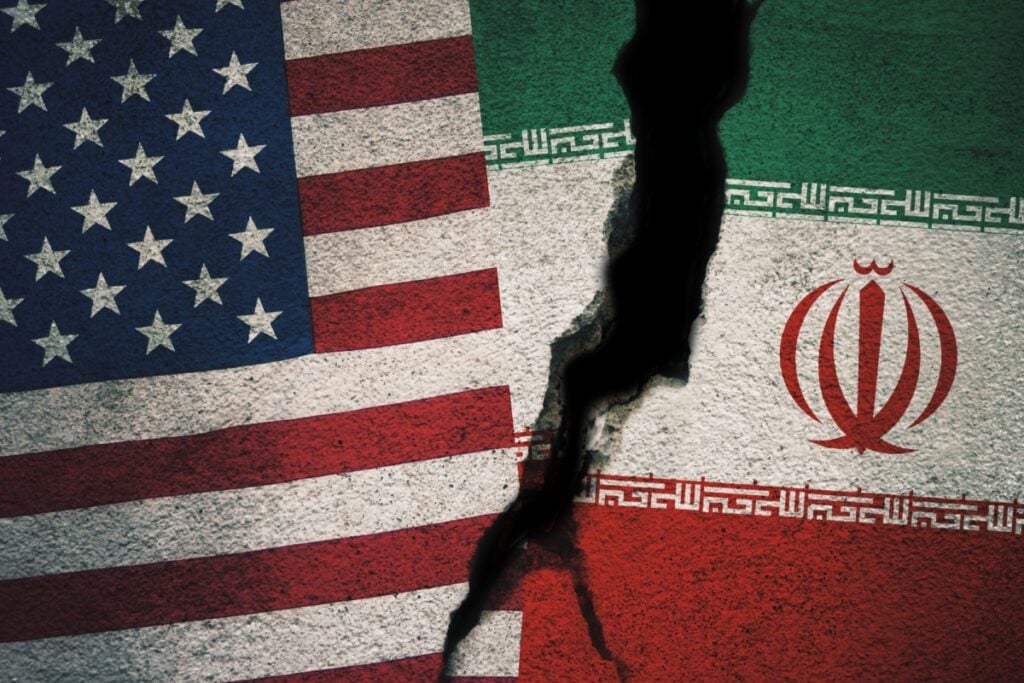
The armed conflict involving Iran, Israel, and the United States has entered its second week with no clear resolution in sight, as military operations and political rhetoric intensify on multiple fronts. Washington and Tehran have hardened their positions while missile exchanges, airstrikes, and threats to global energy infrastructure continue to heighten international concern.
The confrontation began on 28 February 2026, when Israel launched coordinated strikes on Iranian targets with support from the United States. The operation targeted military facilities, nuclear-related sites, and senior leadership figures. Among those killed in the strikes was Iran’s Supreme Leader, Ayatollah Ali Khamenei, whose death marked a significant turning point in the regional power balance.
Iran responded with missile and drone attacks aimed at Israeli territory, U.S. military bases, and allied infrastructure across the Middle East. According to U.S. military officials, the volume of Iranian attacks has declined significantly since the early days of the campaign, with ballistic missile launches falling by roughly 90 percent and drone attacks dropping sharply as well.
Despite these reductions, the fighting continues to expand geographically. Israeli strikes have targeted facilities in and around Tehran, including energy infrastructure believed to support Iran’s military programs. Iranian authorities have condemned these attacks and warned that they represent a dangerous escalation in the conflict.
Leadership Change And Political Uncertainty
The conflict has unfolded alongside a dramatic shift in Iran’s political leadership. Following the death of Ali Khamenei, the country elevated Mojtaba Khamenei, his son, to the role of supreme leader. Analysts widely describe him as closely aligned with the powerful Islamic Revolutionary Guard Corps, raising expectations that Iran will maintain a hard-line stance during the war.
Iran’s leadership has framed the conflict as a struggle for national survival. Officials have emphasized resilience and endurance, suggesting that Tehran is prepared for a prolonged confrontation if necessary. Military planners in the country appear to be relying on missile forces, regional proxy groups, and energy disruption strategies to offset the technological advantages of the United States and Israel.
On the American side, President Donald Trump has argued that the military campaign is progressing rapidly and could conclude soon. In public statements, he has said the operation is “ahead of schedule,” though he has also warned Iran against further attacks on energy infrastructure or international shipping routes.
The administration has maintained that the objective of the campaign is to dismantle Iran’s military capabilities and prevent future threats to regional security. However, some analysts believe broader goals may include weakening the current Iranian leadership or encouraging political change inside the country.
Energy Markets And Global Security Concerns
The conflict has triggered serious economic and security repercussions worldwide, particularly through disruptions to energy markets. Iran has threatened maritime traffic through the Strait of Hormuz, one of the most important shipping routes for global oil exports.
The narrow waterway carries roughly 20 percent of the world’s seaborne oil supply, making it a critical chokepoint for global energy trade. After hostilities began, tanker traffic through the strait declined sharply as shipping companies attempted to avoid the escalating military risks.
These developments contributed to a surge in oil prices, with crude briefly climbing above US$100 per barrel, the highest level in several years. The price volatility has raised fears that prolonged fighting could trigger broader economic disruption and inflation in energy-dependent economies.
At the same time, several governments have begun increasing their military presence in the region to protect shipping lanes and strategic infrastructure. European countries and Gulf states have also strengthened security measures around energy facilities amid concerns that additional attacks could widen the conflict.
A War With No Clear End
Despite intense military pressure on Iran, the war’s strategic outcome remains uncertain. Israeli officials have said that significant portions of Iran’s missile infrastructure have been destroyed, yet Tehran still retains the capacity to launch additional strikes.
Iran’s leadership appears to be betting on endurance, hoping that economic disruption and regional instability will eventually weaken Western political resolve. At the same time, U.S. and Israeli leaders continue to emphasize their determination to eliminate Iran’s ability to threaten neighboring states or global energy supplies.
With both sides showing little willingness to compromise, the conflict has entered a tense phase marked by sustained military operations, political uncertainty in Tehran, and growing international anxiety about the broader consequences for the Middle East and the global economy.
