


Ukraine’s Outreach to the Vatican
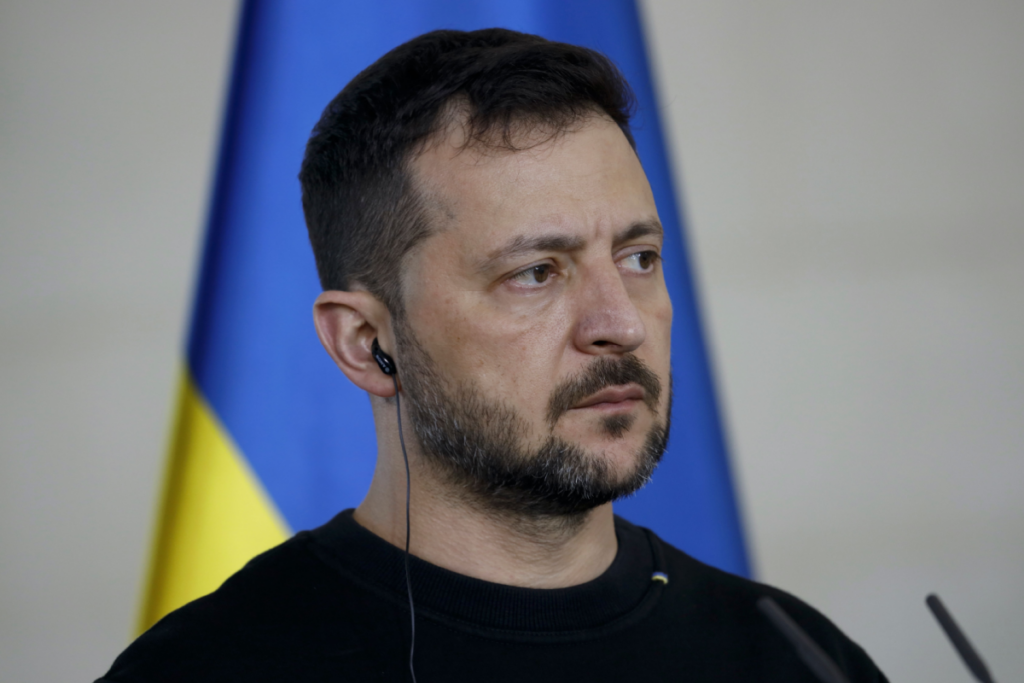
Ukraine’s president Volodymyr Zelenskyy met Pope Leo XIV in Rome as part of a diplomatic push focused on securing broader support against Russia’s invasion. Kyiv described the encounter as meaningful for morale and international visibility. Zelenskyy expressed gratitude for the Vatican’s attention to Ukraine and invited the pontiff to visit the country, calling such a trip a powerful gesture of solidarity. The meeting included discussions on humanitarian challenges and protections for civilians affected by ongoing fighting. Vatican officials have emphasized the need for dialogue, although the Holy See has not taken a direct role in mediation.
The visit followed talks with Italian Prime Minister Giorgia Meloni, and came shortly after high level meetings in London with the leaders of Britain, France, and Germany. Zelenskyy’s travel underscored the importance of maintaining European unity as diplomatic negotiations gain momentum.
Refining Proposals for the United States
While diplomacy intensifies abroad, Ukraine is preparing revised proposals that officials say will outline Kyiv’s position on ending the conflict. Zelenskyy stated that updated peace terms will be sent to Washington in the near future. According to Ukrainian officials, earlier drafts have been narrowed from a larger set of points to a more focused document that emphasizes both security guarantees and the restoration of Ukraine’s territorial integrity.
Zelenskyy insisted that Kyiv cannot sign away land that Russia currently occupies. He cited Ukrainian law, international norms, and ethical concerns as reasons for refusing territorial concessions. Russian forces control the entire Luhansk region and continue advancing in Donetsk, and Moscow has publicly demanded recognition of those gains.
The United States remains deeply involved in shaping negotiation paths. President Donald Trump previously approved a plan that included territorial compromises, a position welcomed in Moscow but rejected in Kyiv. Negotiations between Ukrainian and American advisers continue as both sides seek common ground. Ukrainian officials believe the United States is committed to finding an end to the war but caution that Russia cannot be trusted to honor agreements without strong oversight.
Pressure from Moscow and Shifting Battlefield Dynamics
The Kremlin has not commented in detail on the latest diplomatic exchanges but continues to insist that Ukraine must surrender control of occupied regions. Russian President Vladimir Putin has pointed to recent gains to claim a stronger negotiating position. Analysts note that Russia’s confidence stems both from battlefield developments and from concerns that Western support for Kyiv could weaken over time.
Trump has suggested that Ukraine should be open to compromise to avoid prolonged fighting. At the same time, he maintains that the United States is working to advance talks, though he has indicated that the larger country often prevails when conflicts drag on. His remarks have drawn criticism from some European officials who warn that signaling weakness could embolden aggression.
Kyiv argues that conceding territory would only encourage future attacks. Zelenskyy has asked allies what response they would consider if Russia launches a new escalation beyond current lines. Ukraine has expressed particular concern about maintaining air defenses and steady ammunition supplies for the months ahead.
Europe’s Role and the Diplomatic Road Ahead
European leaders remain key players in shaping the next phase of diplomacy. Britain, France, and Germany have reiterated that Ukraine should not be pressured into giving up sovereignty. However, they have so far provided limited detail about security guarantees in the event of renewed Russian advances. Zelenskyy has stressed the need for clarity on how Europe would respond if new offensives threaten major cities or critical infrastructure.
Public support for Ukraine across Europe remains strong, but governments face their own political constraints, including financial strain and domestic priorities. Maintaining unity among allies will be essential as negotiations evolve. Observers expect talks to continue over the coming months, with close coordination required to balance diplomatic progress and military defense.
For now, Zelenskyy’s Vatican visit signals a continued effort to build moral and political backing while keeping pressure on international partners to deliver a credible peace framework. Ukraine emphasizes that any agreement must halt the conflict without sacrificing its independence or territory. The coming period will test whether diplomatic initiatives can shape a sustainable path forward.
